

Most homeowners think about their carpets and sofas when scheduling a deep clean. The curtains? They hang there quietly, looking fine, right up until you pull one back and notice the grey dust line along the hem, or catch a faint musty smell after the monsoon season.
In Singapore's climate, curtains work hard. Humidity sits high for most of the year, cooking fumes drift through open-plan HDB and condo layouts, and dust from open windows and air-conditioning vents settles into fabric folds daily. The problem builds slowly and invisibly, which is exactly why it gets overlooked.
This guide covers the realistic cleaning frequency for different household setups, which cleaning method suits which fabric, and the honest answer to when a DIY approach is fine versus when you should bring in a professional.
Why this matters: Dirty curtains are not just a cosmetic issue. Embedded dust, mould spores and allergens circulate through your home every time a breeze or air-con draught moves the fabric.
Highlights
- Singapore's humidity and open windows accelerate dust, mould and grease build-up on curtains.
- Most households should clean curtains every 6–12 months; homes near construction, with pets, or with young children benefit from every 3–6 months.
- Hot-water extraction removes around 96% of dust, mould spores and allergens from curtain fabric with no chemical residue.
- Big Red's solutions are eco-friendly and safe for babies, children and pets.
- In-house IICRC- and CRI-certified technicians, never sub-contracted, same-day and 24/7 service available.
- Backed by our 30-Day Delight money-back re-clean guarantee.
How often should you clean curtains in Singapore?
The honest answer is: more often than most people do. A rough guide by household situation:
|
Household type |
Recommended frequency |
|---|---|
|
Standard home, low foot traffic, no pets |
Every 9–12 months |
|
Home with children or pets |
Every 6 months |
|
Near construction or a busy road |
Every 3–6 months |
|
Kitchen curtains or near a cooking area |
Every 3–4 months |
|
Anyone with dust allergies or asthma |
Every 3–6 months |
These are starting points, not rules. The real signal is your curtains: run a white cloth along a fold. If it comes away grey, they need attention now regardless of the calendar.
Signs your curtains need cleaning sooner
- A musty or stale smell, especially after rain or when the air-con runs.
- Visible dust lines along pleats, hems or heading tape.
- Discolouration near the bottom or on the lining.
- You or a family member has been sneezing more without an obvious cause.
- The fabric feels slightly stiff or tacky, which often signals grease accumulation.
Which cleaning method suits which curtain fabric?
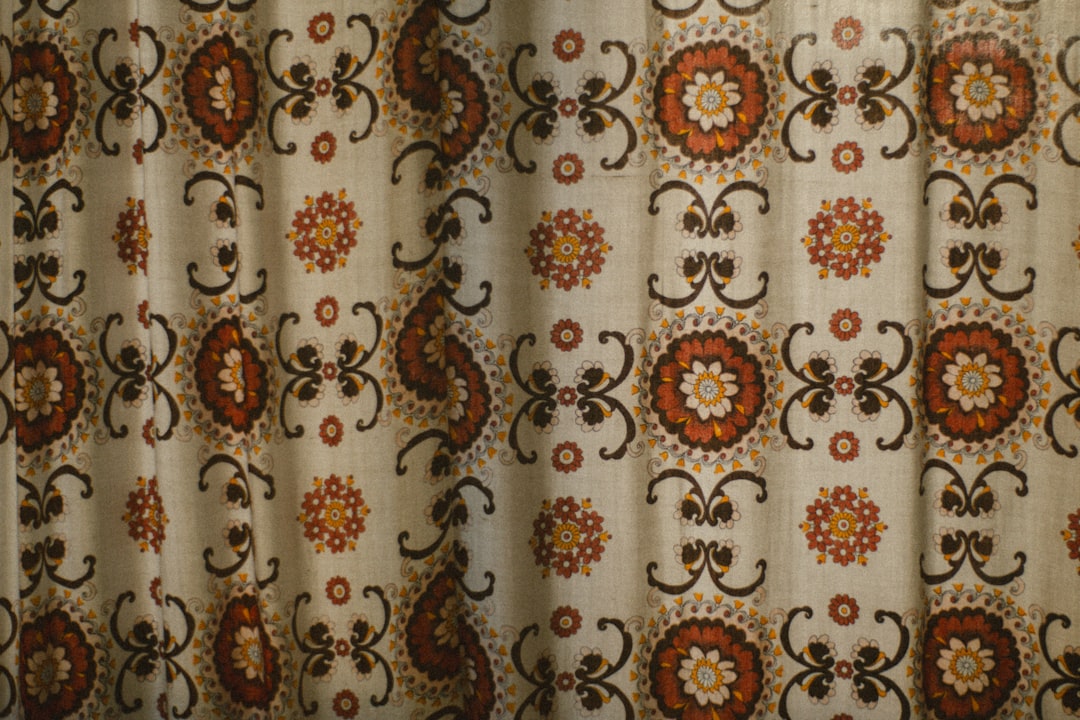
This is where homeowners often go wrong. Not all curtains can be treated the same way, and using the wrong method risks shrinkage, colour bleeding or permanent distortion of the weave.
Hot-water extraction (steam cleaning)
Hot-water extraction is the most thorough method for synthetic and blended fabrics: polyester, nylon, polypropylene and most lined curtains. The process injects hot water and a cleaning solution deep into the pile or weave, then extracts it along with the dislodged soil, dust mites and mould spores. No residue is left behind, and the fabric is dry to the touch in 4–6 hours.
This is what our curtain and drapery cleaning service uses, and it is the method that removes around 96% of embedded dust mites, soil and odour.
Dry cleaning and encapsulation
Delicate fabrics, silk, velvet, certain wools and older lined drapes, are poor candidates for hot water. Dry cleaning or encapsulation uses low-moisture compounds to lift soil without saturating the weave, which prevents shrinkage and fibre distortion. If your curtains have a care label showing a circle with a letter (standard dry-clean symbols), this is the method to request.
Machine washing at home
Unlined polyester sheers and some cotton voiles can go in the machine on a gentle cold cycle. Strip them carefully, support the full weight of wet fabric so the heading tape does not distort, and hang them back up slightly damp so gravity reshapes the drop. Do not tumble dry.
For anything heavier, lined, pleated or with an interlining, skip the machine. Over-wetting and mechanical agitation cause irreversible shrinkage and can pull the lining away from the face fabric.
|
Fabric type |
Recommended method |
Can DIY? |
|---|---|---|
|
Polyester sheer / voile |
Machine wash (cold, gentle) |
Yes |
|
Polyester lined drape |
Hot-water extraction |
No, call a professional |
|
Cotton (unlined) |
Machine wash or steam |
With care |
|
Silk |
Dry cleaning only |
No |
|
Velvet |
Dry cleaning or specialist |
No |
|
Wool or wool-blend |
Dry cleaning |
No |
|
Blackout / thermal lined |
Hot-water extraction |
No |
When DIY is fine and when to call a professional
For simple polyester sheers in a bedroom or study with no obvious mould or staining, a home machine wash every six months is a reasonable approach. Check the care label, use a gentle detergent, and you are unlikely to cause damage.
Call a professional when:
- The fabric is lined, weighted, pleated or made from a natural fibre (silk, velvet, wool).
- You can see or smell mould. Surface wiping will not remove mould that has penetrated fabric fibres, and disturbing it without proper extraction can spread spores.
- The curtains are custom-made or expensive and you do not want to risk the fit.
- Staining covers a wide area or has set in for more than a week.
- Your household includes someone with respiratory sensitivities. In that case, a thorough professional clean reduces the allergen load far more effectively than a surface wash.
Over-wetting at home is the main pitfall. Curtains that stay damp for more than a few hours in Singapore's humidity are at real risk of developing mould inside the lining, which then becomes a bigger problem than the original dust. Professional equipment extracts the moisture as it goes, which is why dry-to-touch in 4–6 hours is a realistic outcome rather than a marketing claim.
For a broader view of how professional cleaning differs from DIY approaches across soft furnishings, our carpet cleaning techniques guide covers the core methods in more detail.
A note on in-situ versus take-down cleaning
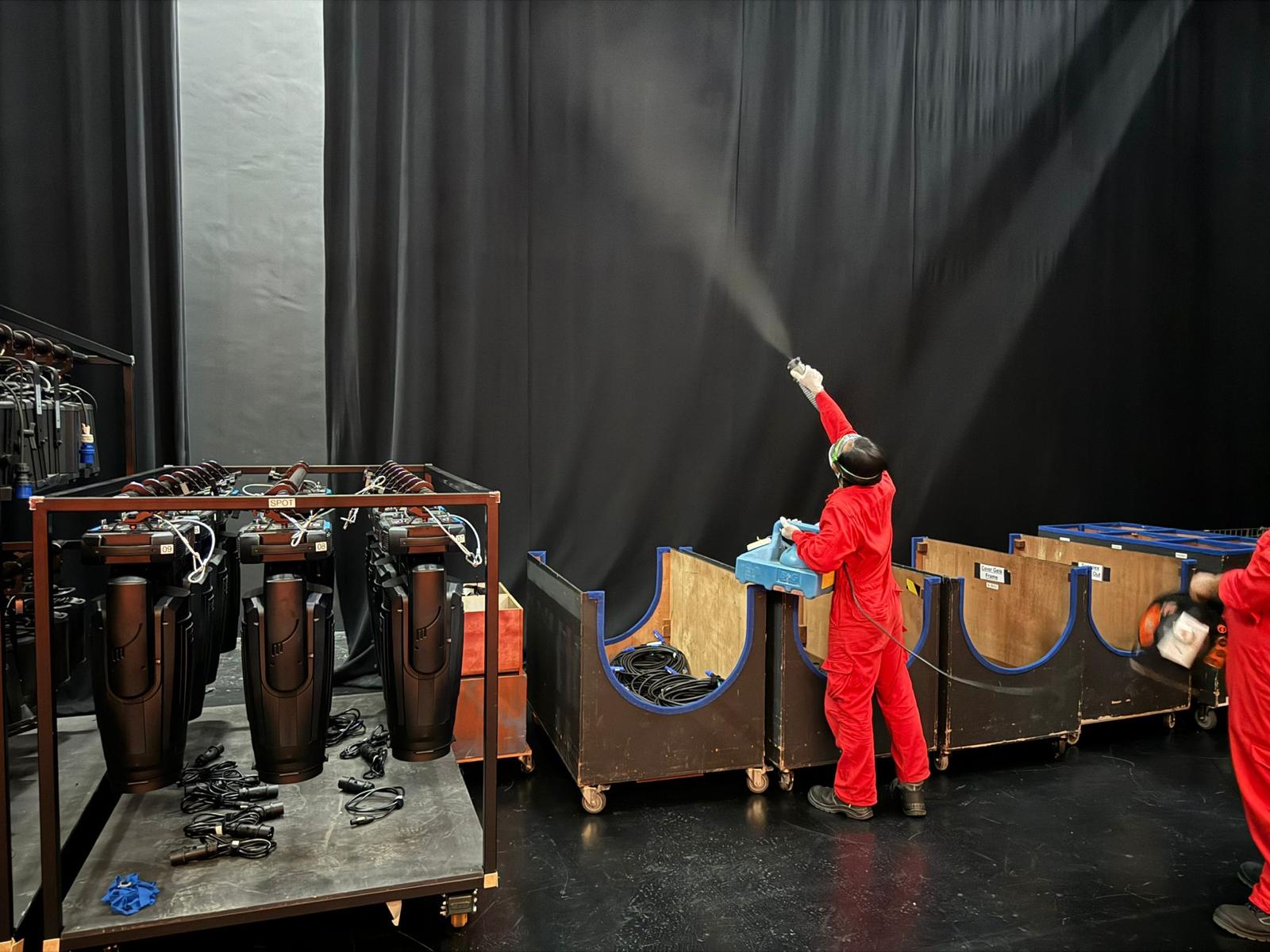
Big Red cleans curtains in situ where possible, meaning the curtains stay on the track or rod throughout. This avoids the heading-tape stress of repeated take-down and rehang cycles, and it means no scheduling around a re-installation visit. For heavily soiled or mould-affected panels, take-down and specialist treatment may be the right call; our technicians will advise on the day.
Related: see the full range of clients and properties we service across Singapore, from residential homes to commercial spaces.
Frequently asked questions
How often should curtains be cleaned in a Singapore home?
For most households, every 9–12 months is a reasonable baseline. Homes with pets, young children, or anyone with dust allergies benefit from every 3–6 months. Kitchen curtains or panels near cooking areas accumulate grease quickly and are best cleaned every 3–4 months. Run a white cloth along a pleat, if it comes away dirty, that is your real signal.
Can I wash my curtains in the washing machine?
For unlined polyester sheers and some cotton voiles, yes. Use a cold gentle cycle, support the wet weight carefully, and hang them damp so gravity restores the drop. For lined, pleated, or natural-fibre curtains, machine washing risks shrinkage and lining separation. When in doubt, check the care label and err on the side of professional cleaning.
Will steam cleaning shrink or damage my curtains?
Hot-water extraction, used correctly on suitable fabrics, does not shrink curtains. Synthetic and blended fabrics handle it well. The risk of shrinkage comes from using hot water on fabrics that require dry cleaning (silk, velvet, wool) or from amateur over-wetting that saturates the lining. Our technicians check the fabric and care label before choosing the method.
Is professional curtain cleaning safe for homes with babies and pets?
Yes. Big Red uses eco-friendly solutions that are pet- and child-safe, and hot-water extraction leaves no chemical residue. The curtains are dry to the touch in 4–6 hours, so there is no prolonged damp period that could attract mould in Singapore's humidity.
Can you remove mould from curtains?
In most cases, yes, if the mould has not permanently stained the fabric. Hot-water extraction reaches the mould spores embedded in the weave and extracts them, rather than just wiping the surface. Results depend on how long the mould has been present and the fabric type. Some older, deeply set staining may lighten but not disappear entirely. Our technicians will give you an honest assessment before starting.
Ready to book a curtain clean?
Get in touch with Big Red today for a free quote. Call us on 6241 9443, WhatsApp 9222 9222, email info@bigred.com.sg, or request a free quote online. Same-day and 24/7 service is available island-wide.