
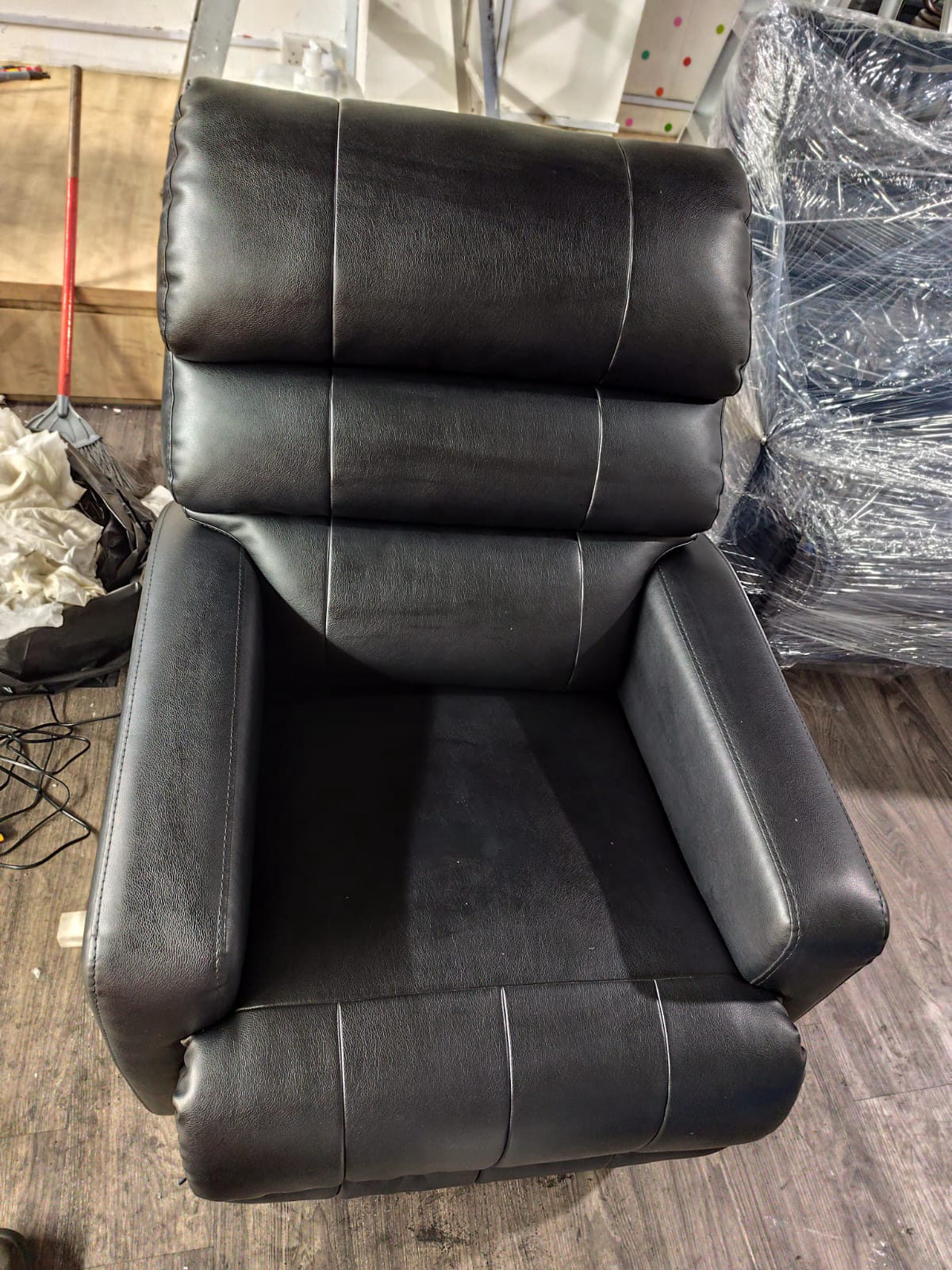
Your leather sofa looked immaculate when it arrived. A year or two in, it starts to crack along the armrests, peel near the seat cushions, or develop a patchy, faded look that no amount of wiping seems to fix. Most owners assume they bought a dud. In most cases, the problem is environment and care habits, not the sofa itself.
Singapore's combination of high ambient humidity, aggressive air-conditioning and UV exposure from west-facing windows creates conditions that leather handles badly. Understanding which type of leather you own and what is actually happening to it makes the difference between a hide that ages well and one that falls apart in three years.
Why this matters: Leather is one of the most expensive materials in the average Singapore home, and the wrong cleaning or conditioning method can cause irreversible damage that no professional clean can reverse.
Highlights
- Singapore's humidity and air-con cycling cause leather to expand and contract repeatedly, accelerating surface cracking.
- Full-grain, corrected-grain and bonded leather each require a different care approach: what helps one can peel another.
- DIY conditioning with the wrong product leaves a sticky residue that attracts soil and can break down the topcoat.
- Hot-water extraction is not suitable for leather; Big Red uses specialist dry methods and pH-balanced leather-safe solutions.
- In-house IICRC- and CRI-certified technicians, never sub-contracted, with same-day and 24/7 service available.
The three types of leather and why it matters
Walk into any furniture showroom in Singapore and the word "leather" covers a spectrum of very different materials. Getting the care wrong on any of them starts with not knowing which one you have.
Full-grain and top-grain leather
Full-grain leather keeps the entire outer surface of the hide, including the natural grain. It is the most durable and the most breathable, which means it handles Singapore's humidity better than cheaper alternatives, though it still needs conditioning. Top-grain leather has the surface sanded and a finish coat applied, giving it a more uniform look. Both types respond well to gentle, pH-balanced leather cleaner followed by a water-based conditioner. They can take light professional cleaning without issue.
Corrected-grain leather
This is leather that has had imperfections buffed away and an embossed pattern pressed on top, then sealed with a heavy pigment coating. It looks consistent and clean when new, but that coating is what cracks first. Anything that strips or softens the topcoat, including many DIY leather conditioners sold in Singapore hardware stores, accelerates the crazing. Corrected-grain leather needs gentler, more frequent cleaning and should never be treated with solvent-based products.
Bonded leather
Bonded leather is not leather in any meaningful sense. It is a polyurethane or vinyl layer bonded to a fibre backing using leather scraps or dust for texture. It looks convincing in a showroom and feels similar to genuine leather for the first year or two. Then it peels, and once that process starts, no cleaning or conditioning stops it. If your sofa is peeling in sheets rather than cracking, it is almost certainly bonded leather. A professional clean can remove the loose material and slow surface deterioration, but the outcome is realistic rather than miraculous.
What Singapore's climate actually does to leather
The damage pattern in Singapore is specific, and it helps to understand why.
The humidity–air-con cycle
Leather is hygroscopic: it absorbs and releases moisture as the surrounding air changes. In Singapore, that means the hide expands during the humid parts of the day (especially overnight when the air-con is off) and contracts when the air-conditioning runs during the day. This cycling stresses the surface layer, and over months and years it causes micro-cracks that widen into visible crazing. Full-grain leather handles this better because it can breathe; corrected-grain and bonded leather cannot.
Sitting your sofa directly in the path of an air-con vent makes this worse. The localised drying on one part of the sofa while the rest of the room stays humid creates uneven stress. If you have noticed that your sofa cracks more on one side than the other, that is usually the explanation.
UV from west-facing windows
Singapore afternoons bring direct, low-angle sunlight through west-facing windows: the kind that falls across a sofa for two to four hours a day. UV breaks down the oils in the leather and fades pigment in the topcoat. A sofa that faces a west window without UV-filtering film on the glass will fade and dry out noticeably faster than one in a north-facing room, regardless of how well it is conditioned.
Sweat, body oils and the cleaning gap
The area where the back of the neck and arms rest on leather picks up body oils and sweat. Left uncleaned, these oils penetrate the surface and cause darkening; over time they also break down the topcoat. This is the most common reason a sofa looks patchy and discoloured in specific spots while the rest of the surface looks fine.
Regular surface wiping with a slightly damp cloth removes the worst of it, but it does not clean what has already been absorbed into the surface. That needs a proper professional clean, ideally on a specialist upholstery and sofa cleaning schedule rather than a once-in-five-years panic clean.
What actually works and what makes it worse
DIY cleaning: where it helps and where it hurts
For fresh marks, a clean, slightly damp microfibre cloth blotted gently over the spot is the right first step. According to Good Housekeeping's guide to cleaning a leather couch, routine care on finished leather is usually straightforward when there are no stubborn stains. The problem is that most owners wait until there are stubborn stains.
What to avoid:
- Baby wipes and antibacterial wipes: the alcohol and fragrance compounds dry the leather and strip the topcoat over time.
- Olive oil, coconut oil and petroleum-based conditioners: these may feel like they are moisturising the leather, but they attract soil, clog the pores of full-grain leather and soften the adhesive layer in bonded and corrected-grain leather, which accelerates peeling.
- Hairdryers or direct heat to dry a wet spot: the localised heat stresses and cracks the surface at the wet boundary.
- Circular scrubbing: it spreads the mark and drives it deeper into the grain.
A water-based, pH-neutral leather cleaner followed by a light water-based conditioner is the correct DIY approach for full-grain and top-grain hides. For corrected-grain leather, condition sparingly: the topcoat already acts as a barrier, and over-conditioning can cause it to separate.
When to call a professional
Some situations are beyond what home care can fix:
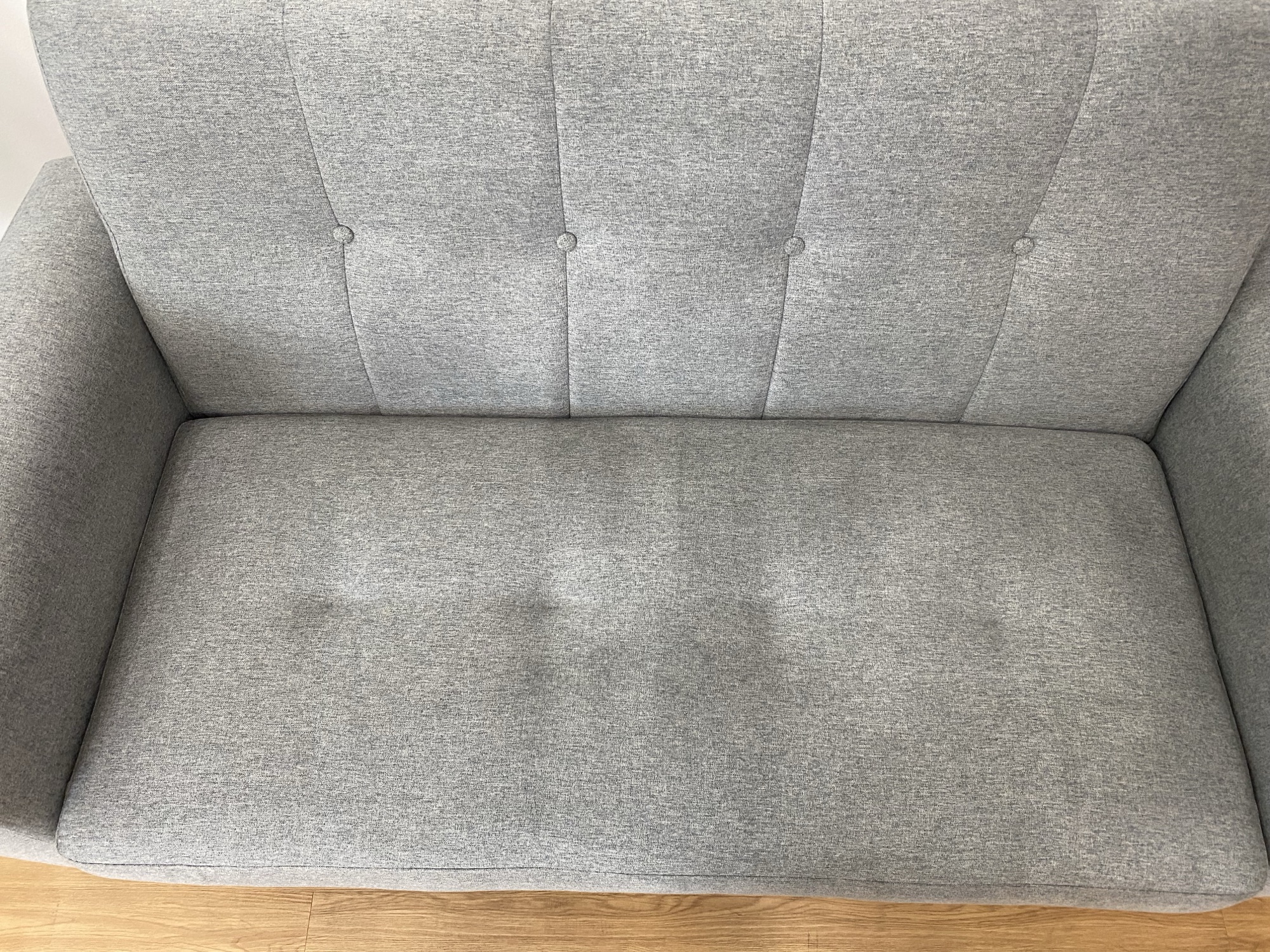
- Set-in body-oil stains that have changed the colour of the leather
- White or grey marks from dried salt (common after a hot humid day)
- Mould on or under the cushion seams, which happens in Singapore homes where the sofa sits near an external wall or airflow is poor
- Peeling on corrected-grain leather where the topcoat is lifting
- Any stain that has been treated with the wrong product and has set
Big Red's technicians use pH-balanced, leather-safe solutions and specialist dry cleaning methods for leather and vinyl upholstery. Hot-water extraction, which works so well on carpet and fabric sofas, is not appropriate for leather: the heat and moisture can cause shrinkage, watermarks and delamination of bonded surfaces. This is one of the more common mistakes made by cleaning services that are not specifically trained in soft furnishings.
For related guidance on vetting a cleaning company before they touch an expensive piece, see how to vet a sofa cleaning company in Singapore.
The same care that applies to leather sofas extends to other soft furnishings. If you are reviewing your home's cleaning schedule, our curtain cleaning in Singapore guide covers a surface that is similarly neglected and similarly affected by Singapore's humidity and UV.
For commercial clients (hotel lobbies, serviced apartments, executive lounges), leather seating accumulates body oils and surface soil at a rate that makes quarterly professional cleaning the practical standard. We work with clients including Changi Airport and Shangri-La Hotel: see what Big Red can do for your business.
Frequently asked questions
Can a professional clean fix peeling leather?
It depends on what is peeling. On bonded leather, peeling is structural delamination and no cleaning reverses it. A professional clean can remove loose material and slow further deterioration, but results are limited and we will say so honestly before starting. On corrected-grain leather where the topcoat is separating, targeted treatment can stabilise the affected area in many cases, though the outcome depends on how far the damage has progressed.
How often should I have my leather sofa professionally cleaned in Singapore?
For most Singapore households, once a year is a reasonable minimum. If the sofa gets heavy daily use, if there are children or pets, or if it sits near an air-con vent, every six months is more realistic. Professional cleaning removes the body oils and embedded soil that cause long-term discolouration, which regular wiping cannot reach.
Is it safe to condition leather yourself between professional cleans?
Yes, with the right product. Use a water-based, pH-neutral conditioner specifically formulated for leather. Apply a small amount to a microfibre cloth and work it in lightly. Avoid over-conditioning, particularly on corrected-grain leather, and never use oil-based products marketed as leather food: they soften adhesive layers and attract more soil than they repel.
Will mould on a leather sofa come back after cleaning?
If the cause is not addressed, yes. Mould on leather in Singapore is almost always a ventilation problem: poor airflow behind or beneath the sofa, the sofa against an external wall, or air-con condensation pooling nearby. After a professional clean removes the mould, improving airflow and keeping humidity below 70% in the room reduces the chance of recurrence. A dehumidifier in a poorly ventilated room helps considerably.
Does Big Red clean all types of leather sofa?
We clean full-grain, top-grain and corrected-grain leather using specialist dry methods and leather-safe solutions. For bonded leather that is actively peeling, we assess the condition first and give you an honest picture of what the clean can and cannot achieve. We never sub-contract: the technician who arrives has been trained in-house and is familiar with the specific challenges leather poses in Singapore's climate.
Ready to restore your leather sofa? Contact Big Red Carpet Cleaners for a free, no-obligation quote. Call 6241 9443, WhatsApp 9222 9222, email info@bigred.com.sg, or
Related articles

Get a free quote