
A good carpet can anchor an entire room. It adds warmth underfoot, absorbs sound, and when it is in good condition it makes the whole space feel considered and cared for.
The trouble is that carpets in Singapore homes take a beating. Humidity encourages dust mites and mould; shoes bring in fine grit that cuts pile fibres over time; and Singapore's year-round heat means spills dry quickly, setting stains before you have noticed them.
None of this means carpet ownership is difficult. It means a few consistent habits make an enormous difference to how long your carpet looks and feels its best.
Why this matters: A carpet that is well maintained between professional cleans stays healthier, lasts longer, and keeps your home's air cleaner, which matters especially in Singapore's humid, mite-prone climate.
Highlights
- Regular vacuuming (at least once a week) is the single most effective thing you can do to extend your carpet's life.
- Act on spills immediately: blot, never rub, and use plain soapy water for most fresh stains.
- Keep footwear off carpeted areas to avoid grinding grit and bacteria deep into the pile.
- Rotate furniture periodically to prevent permanent pile crushing.
- Protect coloured carpets from prolonged direct sunlight, which fades dye over time.
Day-to-day care: the habits that matter most
Vacuum at least once a week
This is the most impactful thing most homeowners can do. Harvard Health Publishing recommends vacuuming carpets and area rugs at least once or twice a week with a vacuum equipped with a HEPA filter to help improve indoor air quality. In Singapore, where humidity keeps dust mites active year-round, that frequency is worth taking seriously.
For area rugs, work from the centre outward towards the fringes and keep suction moderate, you do not want the fringe caught in the head. If you can manage it, flip the rug and vacuum the underside as well; surprising amounts of grit collect there.
Act fast on spills
The golden rule with any spill is to act immediately. Blot with a clean, dry cloth to lift as much liquid as possible. Never rub, rubbing drives the stain deeper into the pile and can distort the fibres. For most fresh spills, a little warm soapy water applied gently is enough. Work from the outside of the spill inward to avoid spreading it.
For tougher or older stains, our guide on rug stain removal dos and don'ts covers the approaches that genuinely work and a few that make things worse. Set-in stains and anything involving red wine, turmeric or pet urine are best handed to a professional before the stain permanently bonds to the fibre.
Keep shoes off the carpet
This one is simple but often overlooked. Footwear, even slippers, tracks in fine grit, bacteria and allergens from outside. That debris settles into the pile where regular vacuuming cannot fully reach it, and abrasive particles cut fibres over time, dulling the pile well before its time. A no-shoes policy on carpeted areas is the easiest preventive measure there is.
Protecting the pile and the colour
Manage furniture carefully
Heavy furniture legs concentrate a lot of weight onto a small area of pile, leaving permanent dents. If you can, shift sofas and chairs by a few centimetres every few months to distribute the wear. When placing new furniture on a carpet, choose pieces with wide, flat feet rather than narrow pointed legs. Furniture coasters, small plastic or rubber pads placed under each leg, spread the load and reduce crushing significantly.
Shield the carpet from direct sunlight
Sunlight fades carpet dyes, particularly in rooms that receive strong afternoon sun through west-facing windows. Rotate rugs periodically so any fading happens evenly rather than in patches, and use curtains or UV-filtering window film during the hottest hours. This matters most for wool, silk and natural-fibre rugs, which are more susceptible to UV damage than synthetic carpets.
Beating and airing
This old-fashioned technique still works well for smaller rugs. Hang the rug on a taut line in a breezy spot and beat it firmly with a broom handle or tennis racquet. You will be surprised at what falls out. Spending an hour in open air also helps dispel the damp mustiness that Singapore's humidity encourages. Just avoid prolonged direct midday sun, which can fade the colours.
Hand-washing small rugs and mats
For machine-washable mats and small rugs, a soak in warm soapy water followed by a thorough rinse under running water works well. Let them dry fully in natural light before putting them back down. A damp rug laid back on the floor is a ready-made environment for mould and mites, and in Singapore's humidity that can happen faster than you might expect. Check the care label first; wool, silk and some hand-knotted rugs should never be machine-washed.
When to call a professional
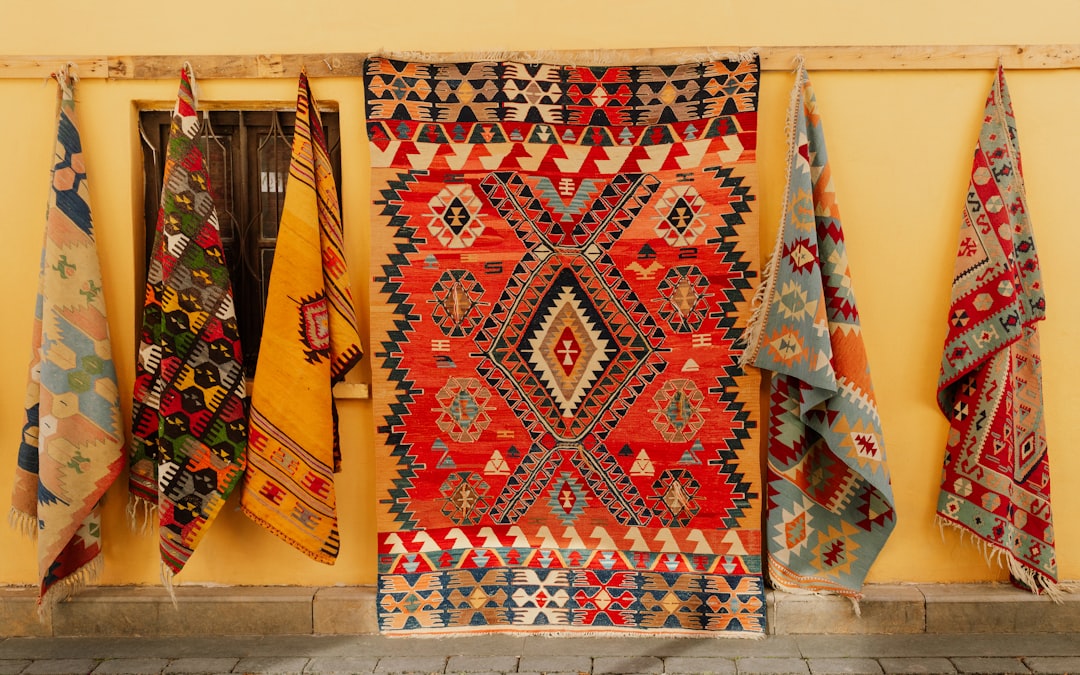
Regular home care keeps carpets presentable between professional cleans, but it cannot substitute for them. Vacuuming lifts surface debris, but soil, dust mites and allergens that have worked their way deep into the pile require hot-water extraction to remove properly. Our professional carpet cleaning service uses hot-water extraction to remove around 96% of dust mites, soil and odour, leaving no chemical residue and drying quickly enough to use the room the same day.
A professional clean every 12 to 18 months is a reasonable baseline for most Singapore homes. If you have young children or pets, quarterly cleans are worth considering. For Persian, Turkish, antique or hand-knotted rugs, the kind where mistakes are costly, professional cleaning is not optional. Consumer Reports recommends deep-cleaning area rugs about once a year, and for heirlooms or delicate pieces, a specialist is the only sensible choice.
For carpets that have suffered water damage, mould, or particularly stubborn set-in stains, home remedies will not be enough. Our article on drying carpet after water damage explains when DIY drying is safe and when it can make matters worse. Similarly, heavily soiled commercial carpets or high-traffic areas benefit from more frequent professional attention, our piece on how facility managers can keep carpets clean covers the approach for offices, hotels and clinics.
All Big Red technicians are in-house, IICRC- and CRI-certified, and we never sub-contract. Every clean is backed by our 30-Day Delight money-back re-clean guarantee.
Frequently asked questions
How often should I vacuum my carpet in Singapore?
At least once a week is a good baseline for most rooms. High-traffic areas, homes with pets, and households with young children crawling on the floor warrant twice a week. Singapore's humidity keeps dust mites active year-round, so consistent vacuuming with a HEPA-filter machine is one of the most effective things you can do between professional cleans.
Can I remove stains myself, or should I call a professional?
Fresh spills respond well to prompt blotting and a little warm soapy water. Where DIY falls short is with stains that have set for more than a day or two, stains from tannins (tea, red wine), oil-based substances, or biological sources like pet urine. Attempting aggressive scrubbing on these risks permanent fibre damage. If in doubt, call a professional before the stain becomes irreversible.
How do I prevent pile crushing under furniture?
Wide, flat furniture feet distribute weight more evenly and cause less crushing than narrow legs. Plastic or rubber furniture coasters help further. Moving furniture by a few centimetres every few months, even just shifting the sofa forward or back, prevents the same spot from bearing constant load. For existing dents, lightly dampen the area and use a coin or spoon edge to gently tease the pile back upright.
Is it safe to machine-wash a rug at home?
Only if the care label explicitly says it is. Machine-washing a wool, silk or hand-knotted rug can cause irreversible shrinkage, colour bleeding and pile distortion. Flat-weave synthetic mats and cotton rugs are generally fine. When in doubt, hand-wash in cool water or have the piece professionally cleaned. The risk of a ruined heirloom far outweighs the convenience.
How often should I have my carpets professionally cleaned?
For most Singapore homes, once every 12 to 18 months is sufficient. Households with young children, pets, or allergy sufferers benefit from more frequent cleans, typically every six months. Hot-water extraction helps reduce the deep-seated soil and dust mites that home vacuuming cannot reach, and the carpet is dry to the touch within a few hours.
Ready for a professional clean? Get a free quote, call us on 6241 9443, WhatsApp 9222 9222, or email info@bigred.com.sg.