

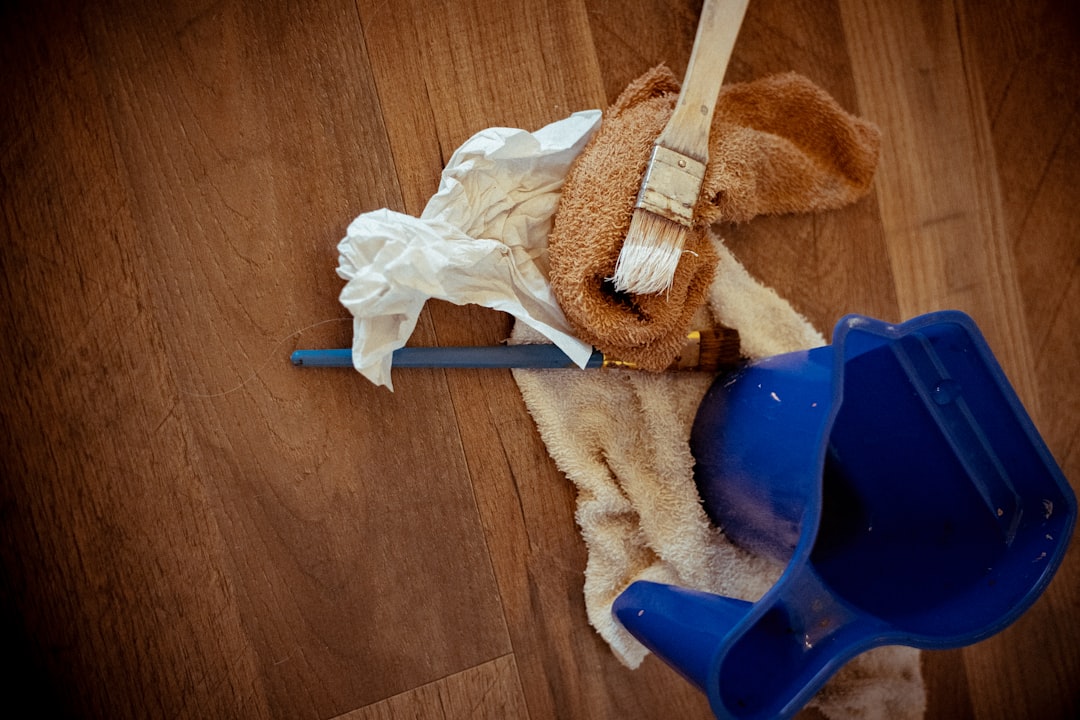
You glance down and there it is: a spreading brown patch where your morning kopi just landed. The instinct is to grab a cloth and rub, but that is exactly what drives the stain deeper into the pile. A coffee spill on carpet is very manageable if you treat it within the first few minutes. Leave it, and the tannins bond to the fibres and you are dealing with something far more stubborn.
Milky coffee adds another layer: the protein in the milk can set quickly in Singapore's heat, leaving both a stain and a sour odour if it is not fully extracted. Black coffee is slightly easier, but the rule is the same for both, act quickly, blot gently, and use as little liquid as possible.
Why this matters: Coffee contains tannins that bond to carpet fibres within minutes, and in Singapore's humidity an untreated spill can also develop a sour odour that is difficult to remove later.
Highlights
- Act within minutes: the tannins in coffee bond to carpet fibres fast, especially in Singapore's heat and humidity.
- Blot, never rub: rubbing spreads the stain and pushes it deeper into the pile.
- Cold water, not hot: heat sets coffee and protein stains permanently.
- DIY works well on fresh spills; older or set-in stains often need professional hot-water extraction.
- Big Red's hot-water extraction removes around 96% of embedded soil, stains and odour with no chemical residue, using eco-friendly, child- and pet-safe solutions.
What to do in the first five minutes
Blot, do not rub
The moment the spill happens, reach for a clean, white, lint-free cloth or white paper towels. As Good Housekeeping recommends, dab rather than rub at the stain, working from the outer edge inward so you do not spread the liquid further. Press firmly to lift as much of the coffee as possible before adding anything else.
Keep swapping to a clean part of the cloth. A dirty cloth just redistributes the stain.
Use cold water, not hot
Once you have blotted up the bulk of the spill, dampen a fresh cloth with cold water and continue blotting. Hot water sets coffee and milk proteins into the fibres permanently, so cold is the rule throughout. Do not pour water directly onto the carpet; a damp cloth gives you control.
For milky coffee, a small amount of washing-up liquid (one or two drops in a cup of cold water) can help lift the protein. Apply with a cloth, blot, then rinse with a cold-damp cloth to remove any soapy residue. Residue left in the pile attracts soil quickly, so rinsing matters.
Before you use any stain remover, test it first
If the blot-and-cold-water approach has not fully cleared the stain, you may want to try a carpet-specific stain remover. Before you do, test it on a small, hidden area of the carpet first. As Consumer Reports notes in its ultimate stain-removal guide, if you see fading or damage during a patch test, stop and call a professional instead.
This step is especially important for wool, silk, Persian or Oriental rugs, and any carpet with a pattern or rich colour. These fibres and dyes can react badly to off-the-shelf products. If you have any doubt, skip the bottle and contact a specialist.
What to avoid
- Rubbing or scrubbing, this frays the pile and spreads the stain.
- Hot water or a hot iron, heat sets the stain permanently.
- Too much water, over-wetting soaks the carpet backing and the underlay, which can lead to mould and a phenomenon called wicking, where the stain reappears as the carpet dries.
- Bleach or undiluted cleaning products, these strip colour from the fibre and can cause permanent damage.
- Leaving the carpet wet, once you are done, lay a dry towel over the area and weigh it down to absorb remaining moisture, then allow it to air dry completely.

When to call a professional
DIY treatment works well for fresh spills caught quickly on synthetic carpets (nylon, polypropylene). But there are situations where attempting more at home is likely to make things worse.
Call a professional cleaner if:
- The stain has dried or been there more than a few hours.
- You have a wool, silk, sisal or jute carpet, or a Persian or Oriental rug, where DIY products carry a real risk of colour bleed or fibre damage.
- The carpet smells sour even after it has dried (the milk has begun to break down inside the pile).
- The stain keeps reappearing after it dries, which is wicking from a soaked backing.
- You have tried a stain remover and it has lightened or discoloured the carpet.
Our carpet stain removal service uses hot-water extraction to reach deep into the pile, lift the stain and neutralise any odour, leaving no sticky chemical residue behind. For wool rugs and delicates, our rug cleaning service includes a fibre assessment before any treatment begins.
The honest truth on older stains: coffee that has set over days or weeks, or stains that have been treated with the wrong product, may not come out completely. We can significantly improve most of them, and in many cases remove them entirely, but results depend on the fibre, the age of the stain, and what has been applied to it previously. We will always tell you upfront what to expect.
For more on what the professionals look for before treating a stain, our complete guide to carpet stain removal dos and don'ts for rugs covers the detail. And if coffee is not the only thing your carpet has been through, see our piece on keeping carpets spotless in Singapore homes with kids for a broader look at everyday stain management.
Frequently asked questions
Will a coffee stain come out of carpet if it has already dried?
Often yes, but it takes more effort. Re-wet the stain with cold water, blot, and try a mild dish-soap solution. If that does not shift it, professional hot-water extraction is the most effective next step. Dried coffee that has been rubbed or treated with the wrong product is harder to remove and may need specialist assessment.
My coffee had milk in it, does that change anything?
Yes. Milk proteins set faster than coffee tannins, particularly in Singapore's heat. Treat milky coffee exactly as you would black coffee but add a small amount of dish soap in cold water to help lift the protein. If there is any sour smell once the carpet dries, the milk has started to break down in the pile and a professional clean is the right call.
Is it safe to use baking soda or white vinegar on my carpet?
Baking soda can help absorb odour after the stain has been blotted. White vinegar is mildly acidic and can help with some tannin stains, but it can also affect certain dyes and leave its own smell if not fully rinsed. Neither is suitable for wool or delicate fibres. When in doubt, test on a hidden area first, or skip them entirely and call a professional.
Why does the stain keep coming back after the carpet dries?
This is wicking: the spill soaked through to the backing or underlay, and as the surface dries the moisture draws the stain back up. Blotting with a dry towel and weighing it down while the carpet dries can help, but if wicking keeps happening the backing needs to be cleaned, not just the surface. Hot-water extraction addresses the full depth of the carpet.
How do I know if my carpet or rug can handle a stain remover?
Always test on a small, inconspicuous area first and wait a few minutes to check for any colour change or texture damage. Wool, silk and naturally dyed rugs are particularly sensitive. If you are unsure, treat the area with cold water only and contact a specialist before applying anything else.
Ready to get that stain out for good? Contact Big Red Carpet Cleaners for a free quote. Call us on 6241 9443, WhatsApp 9222 9222, or email info@bigred.com.sg. You can also
Related articles
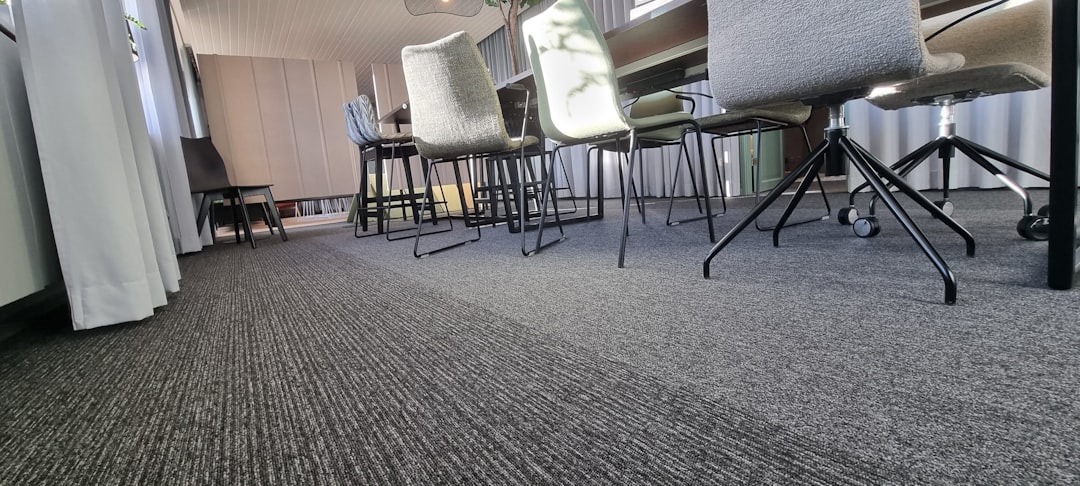
What facility managers should know before signing a carpet cleaning contract in Singapore: certifications, methods and what the fine print misses
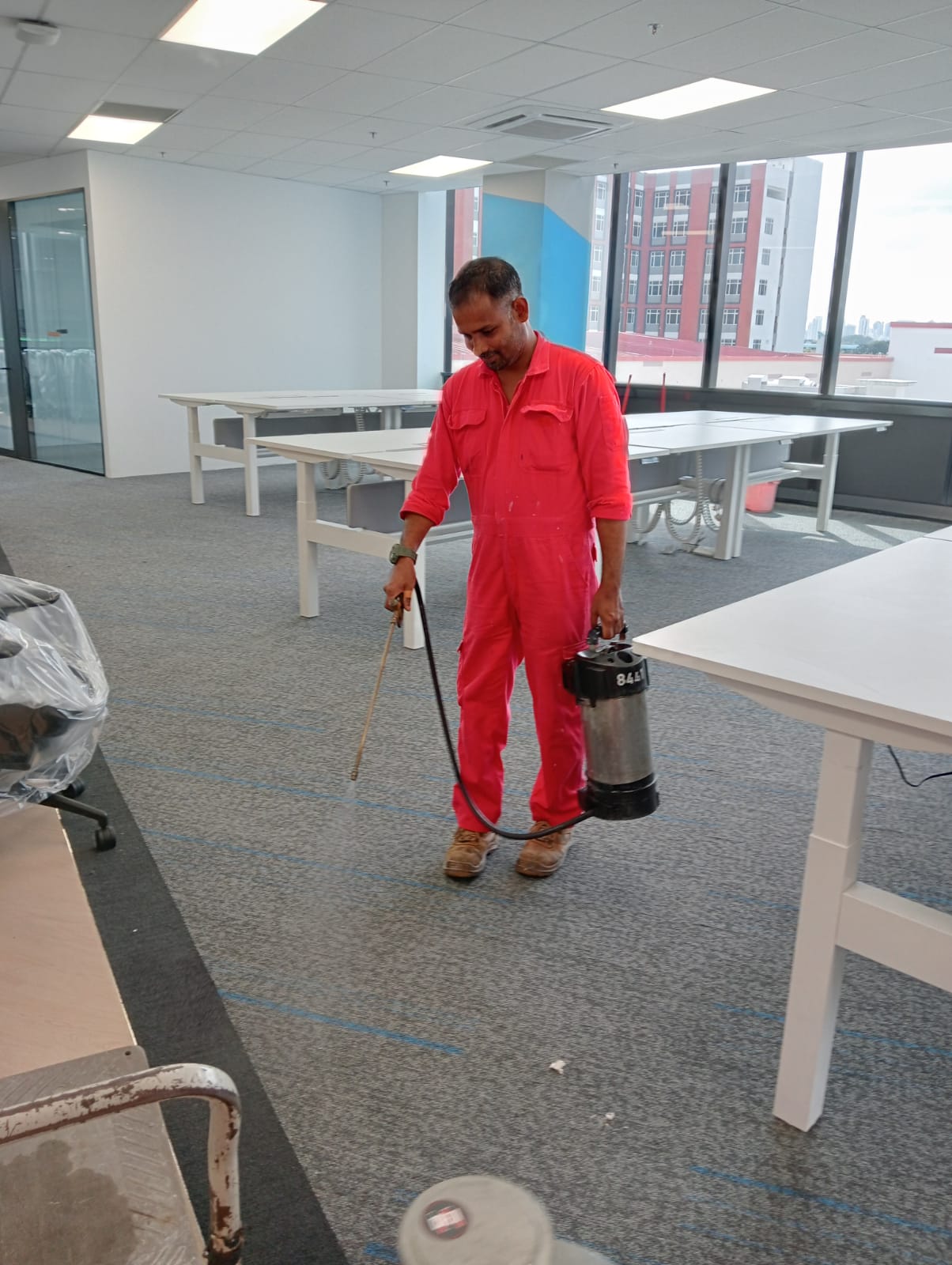
What 40 years of carpet cleaning in Singapore homes has taught us: the mistakes we still see every week
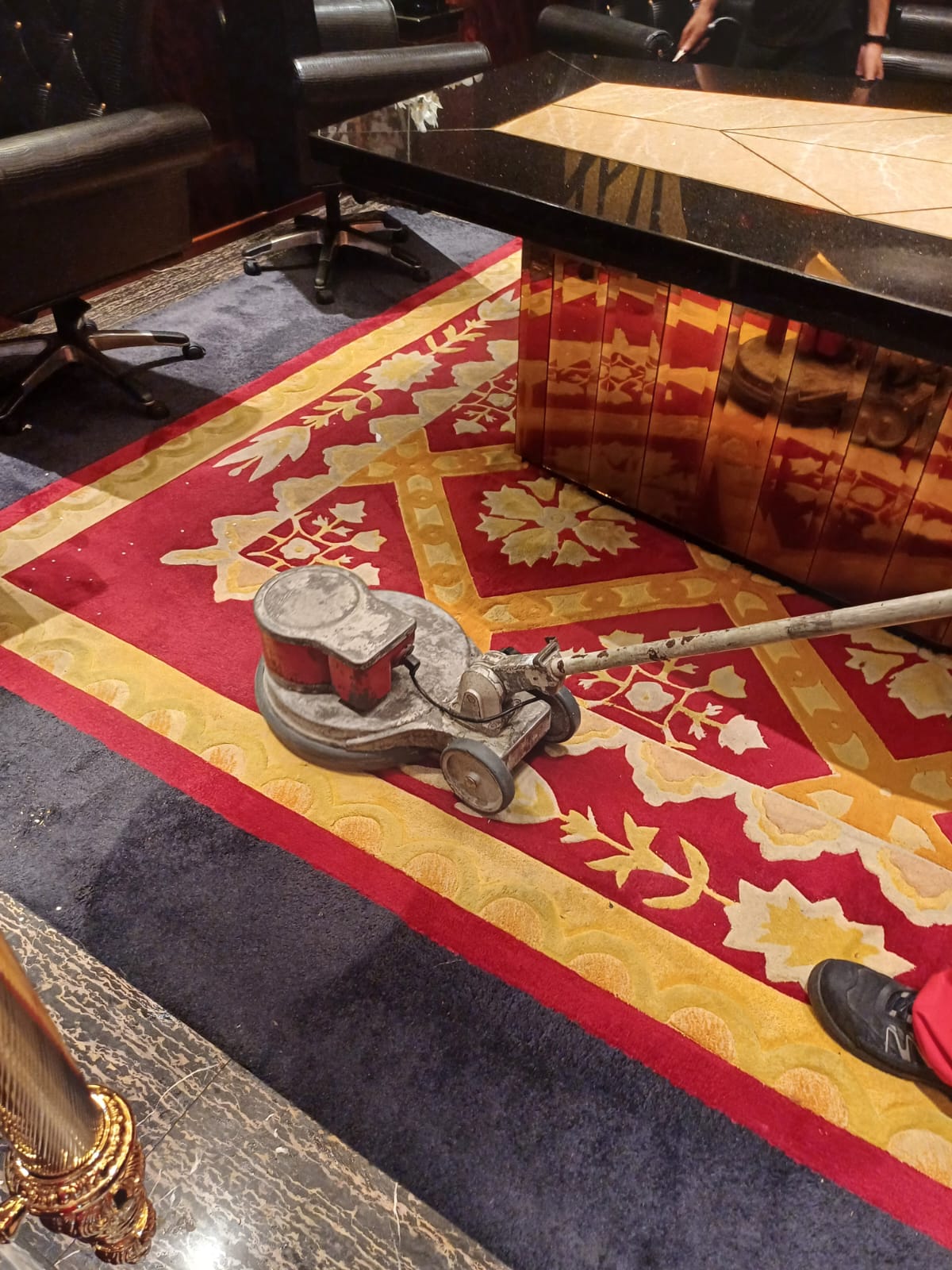
Area rug cleaning between the monsoons: a seasonal care guide for Singapore homes
Get a free quote