

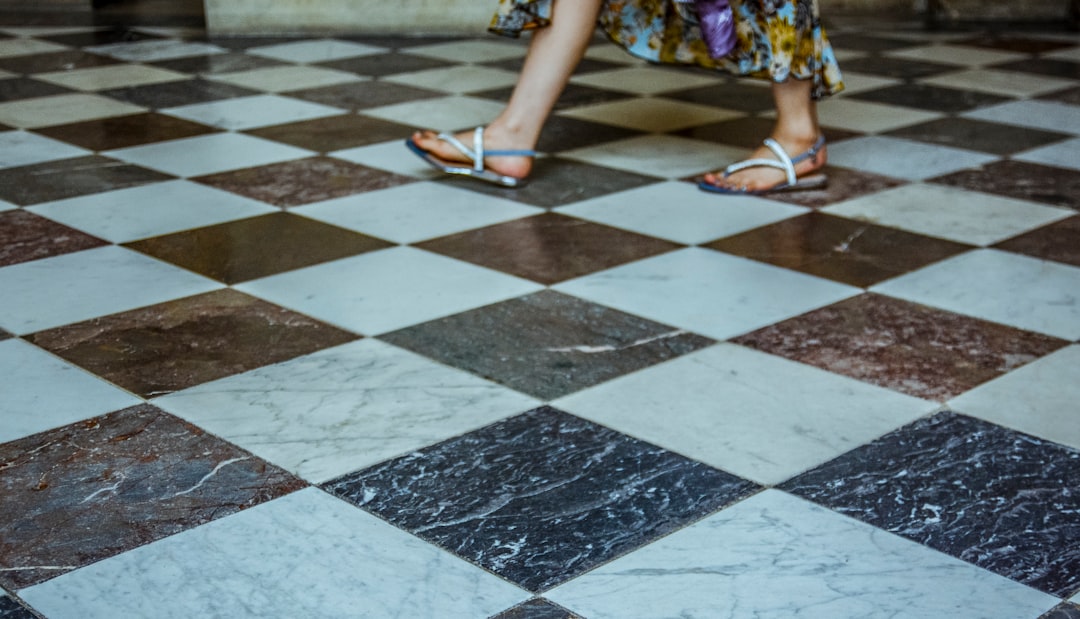
You notice it gradually: the marble that gleamed when you first moved in now looks flat, slightly hazy, like a mirror that has been breathed on one too many times. In Singapore's climate, with humidity running high year-round and gritty dust tracked in from corridors and carparks, this happens faster than it should.
Marble is calcium carbonate, which means acids etch it, grit scratches it, and water (especially tap water with dissolved minerals) leaves dull marks that no amount of mopping will shift. Once the surface loses its polish, the damage is below the stone itself, a mop cannot fix it.
Knowing what has actually gone wrong is the first step, and it determines whether you can handle this yourself or whether you need professional marble floor polishing.
Why this matters: Marble flooring is a significant investment in any Singapore home or commercial space, and the wrong cleaning product or DIY method can etch or scratch the stone permanently, turning a fixable dull patch into a costly resurfacing job.
Highlights
- Singapore's humidity and fine grit from corridors and lifts accelerate marble dullness faster than in temperate climates.
- Acidic cleaners, including vinegar, lemon-based sprays and many supermarket floor products, etch marble permanently.
- DIY polishing pads can maintain an already-polished surface but cannot reverse deep scratches or etching.
- Professional marble polishing uses diamond-grinding and crystallisation techniques to restore the original finish without replacing the stone.
- Big Red's in-house, IICRC-certified technicians handle marble restoration island-wide, no sub-contracting.
What actually damages marble in a Singapore home
Grit and daily foot traffic
Fine grit is marble's quiet enemy. Shoes track in dust from corridor tiles, car park concrete, and HDB common areas, and each grain acts like sandpaper underfoot. Over weeks, the micro-scratches add up into a general haziness that makes the floor look grey rather than white.
The fix at this level is simple: more frequent dry mopping or a soft microfibre sweep, and a doormat at every entrance. This is genuine DIY territory.
Acidic products and household spills
This is where most marble damage actually comes from, and it is not reversible at home. According to the Marble Institute of America, even a small amount of acidic cleaner, or a splash of orange juice, coffee, or wine left sitting, can etch the calcite crystals in the stone, leaving a dull mark that looks like a water stain but is actually physical surface damage.
Vinegar, lemon-based multipurpose sprays, toilet cleaners, and most supermarket floor polishes are all acidic enough to etch marble. If the label does not say "pH neutral" and "safe for natural stone", do not use it on marble.
Hard water and mineral deposits
Singapore tap water carries dissolved calcium and magnesium. When water sits on marble, around a sink, near a bathroom door, along a balcony threshold, it evaporates and leaves a white mineral crust that bonds to the surface. Scrubbing it off with a scouring pad scratches the marble. Pouring an acidic descaler on it etches it. The only safe approach is a pH-neutral stone cleaner and patience, or professional restoration if the deposit has built up over months.
When DIY marble polishing is reasonable, and when it is not
What you can do yourself
If the marble is in broadly good condition, no deep scratches, no etch marks, a polishing compound or polishing pad designed for natural stone can maintain the shine between professional visits. You are not restoring anything at this point; you are buffing the existing finish. This is fine for low-traffic areas like a bedroom or study.
For routine care, these steps work:
- Dry mop or microfibre sweep daily to lift grit before it scratches.
- Damp mop weekly with a pH-neutral, stone-safe cleaner diluted in clean water.
- Blot spills immediately, never wipe, which spreads the liquid.
- Use soft, non-abrasive cloths or mop heads only.
- Apply a marble-specific sealant every 12 to 18 months on polished surfaces (patch test first).
What you should never do: use vinegar or citrus cleaners, steam-mop directly on marble (the heat and moisture can cause crazing on older stone), or apply generic floor polish not labelled for natural stone.
When to stop and call a professional
DIY hits its limit the moment the surface itself is compromised. A professional marble restoration involves diamond abrasive grinding pads, a sequence of progressively finer grits that literally remove a thin layer of stone to expose fresh, undamaged material underneath, followed by crystallisation or resin honing to bring back the gloss. You cannot replicate this with a hardware store polishing kit.
Call a professional when you see any of these:
- Dull, hazy patches that do not respond to cleaning (etch marks).
- Visible surface scratches, especially after furniture has been dragged across the floor.
- Lippage (uneven tile edges) that traps dirt and creates a trip hazard.
- A general loss of reflectivity across a large area despite regular cleaning.
- Grout lines that have gone dark and cannot be scrubbed clean.
For a facility manager keeping a hotel lobby or clinic reception presentable, the threshold is even lower: marble in high-traffic commercial spaces dulls within months without a scheduled maintenance programme. Our marble flooring maintenance service covers both residential restoration and commercial maintenance programmes, and our technicians assess the stone condition before any grinding begins so you are not over-treating a surface that only needs a polish.
What professional marble polishing actually involves
The assessment
A proper job starts with understanding the stone: the marble type, the finish (polished, honed, or brushed), the depth of damage, and whether any sealing has been done before. Rushing straight to a grinder on a honed marble floor, for instance, would produce the wrong finish entirely.
Grinding, honing and polishing
For scratched or etched marble, the process begins with diamond grinding pads, coarse first, then progressively finer, to level the surface and remove damaged material. This is followed by honing (a matte finish) or polishing (a mirror finish), depending on what the stone originally had and what the owner wants.
Crystallisation, a separate chemical-mechanical process, adds a hard, glassy layer on top of the stone that protects against future etching and makes the surface easier to maintain. It is worth asking your contractor which finishing method they use and why: for a heavily trafficked commercial floor, crystallisation adds meaningful durability; for a residential bathroom, a simple polish and seal may be enough.
Sealing
After restoration, a penetrating sealer is applied to slow moisture and stain absorption. This does not make marble stain-proof, nothing does, but it gives you a window to blot spills before they penetrate. The sealer needs reapplying every one to two years depending on traffic.
For a practical comparison of maintenance approaches, the table below summarises where DIY ends and professional restoration begins.
|
Situation |
DIY approach |
Call a professional? |
|---|---|---|
|
Light grit and everyday dullness |
Dry mop, pH-neutral damp mop |
No |
|
Mineral deposits / hard water marks |
pH-neutral stone cleaner, patience |
Only if severe or widespread |
|
Etch marks from acidic spills |
Cannot be reversed by DIY |
Yes |
|
Surface scratches from furniture or grit |
Cannot be buffed out at home |
Yes |
|
Large-area loss of reflectivity |
Cannot be restored by DIY |
Yes |
|
Scheduled commercial maintenance |
Not appropriate for DIY |
Yes, programme needed |
For more detail on choosing the right approach for soft furnishings and floors in a Singapore property, our carpet cleaning techniques guide covers the same principle: the right method depends on the material and the depth of damage, not the price of a tin of polish.
A note for facility managers
Marble in commercial spaces, lobbies, lift vestibules, clinic reception areas, hotel corridors, takes punishment that no residential programme can match. Foot traffic at these volumes means etching and scratching compound weekly, not over years. A reactive approach (calling someone when it looks terrible) is almost always more expensive than a scheduled maintenance programme that keeps the surface in good condition year-round.
Big Red works with facilities teams across Singapore's commercial sector, including marquee properties where presentation standards are non-negotiable. Related: see why clients including Changi Airport and Shangri-La Hotel trust us with their floors. We can build a maintenance schedule around your building's traffic patterns and floor area, so you are not caught out before an audit or a high-profile event.
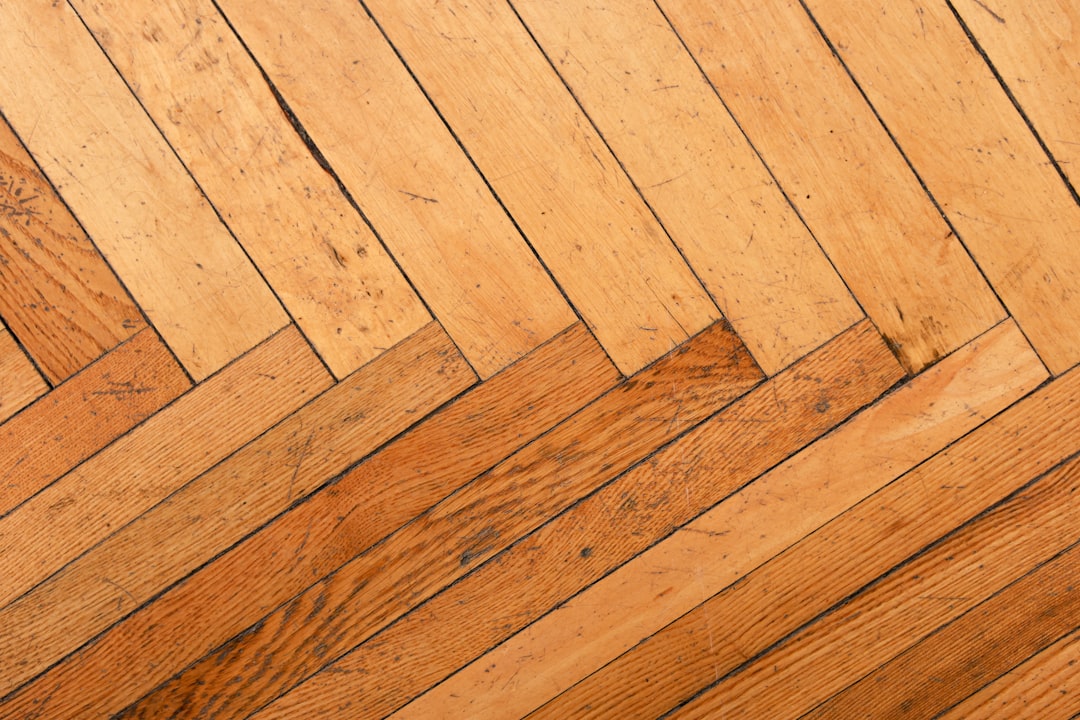
If parquet is also part of your floor inventory, our parquet flooring maintenance service covers timber restoration and re-lacquering alongside marble work.
Frequently asked questions
How often should marble floors be professionally polished in Singapore?
For a residential home with moderate foot traffic, once every one to two years is typically enough if the stone is well-maintained between visits. Commercial spaces with heavy daily traffic often need professional attention every three to six months. The honest answer depends on your specific marble type, finish, and how consistently the daily care routine is followed.
Can I use a steam mop on marble floors?
We would not recommend it. The combination of heat and moisture can cause crazing (a network of fine surface cracks) on older or already-compromised marble, and the steam forces moisture into the grout joints. A damp mop with a pH-neutral stone cleaner is the safer daily option. For deep cleaning, call a professional rather than risk the stone.
What is the difference between marble honing and marble polishing?
Honing produces a smooth, matte or satin finish with low reflectivity, better for high-traffic areas where slipping is a concern and where scratches are less visible. Polishing produces the mirror-gloss finish most people associate with marble but shows scratches and foot marks more readily. A professional can restore either finish; just be specific about which one you want before the work starts.
Will professional polishing remove all scratches and stains?
Deep scratches and physical etch marks caused by acids can be greatly improved or eliminated by diamond grinding and re-polishing, because the damaged layer is removed entirely. Stains that have penetrated deeply into porous or unsealed marble are less predictable, results depend on the stain type, how long it has been there, and the stone's porosity. We will always assess and advise honestly before committing to an outcome.
Is marble polishing messy or disruptive to my home or office?
There is slurry produced during the grinding stage, which our technicians contain and remove as part of the job. For a large commercial floor, we can schedule work outside business hours to avoid disruption. Most residential jobs on a standard condo or HDB living area are completed within a day, with the floor ready to walk on once it has dried and been sealed.