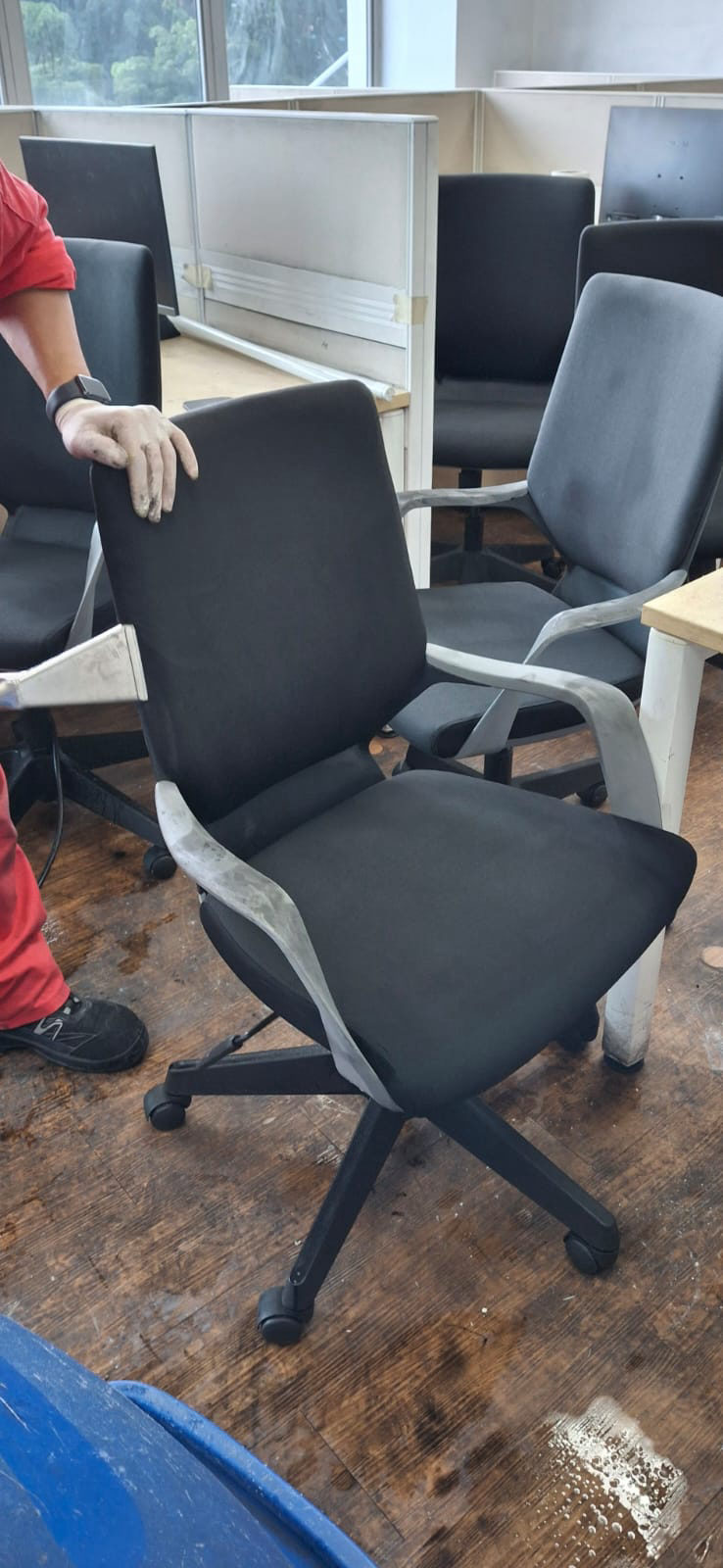

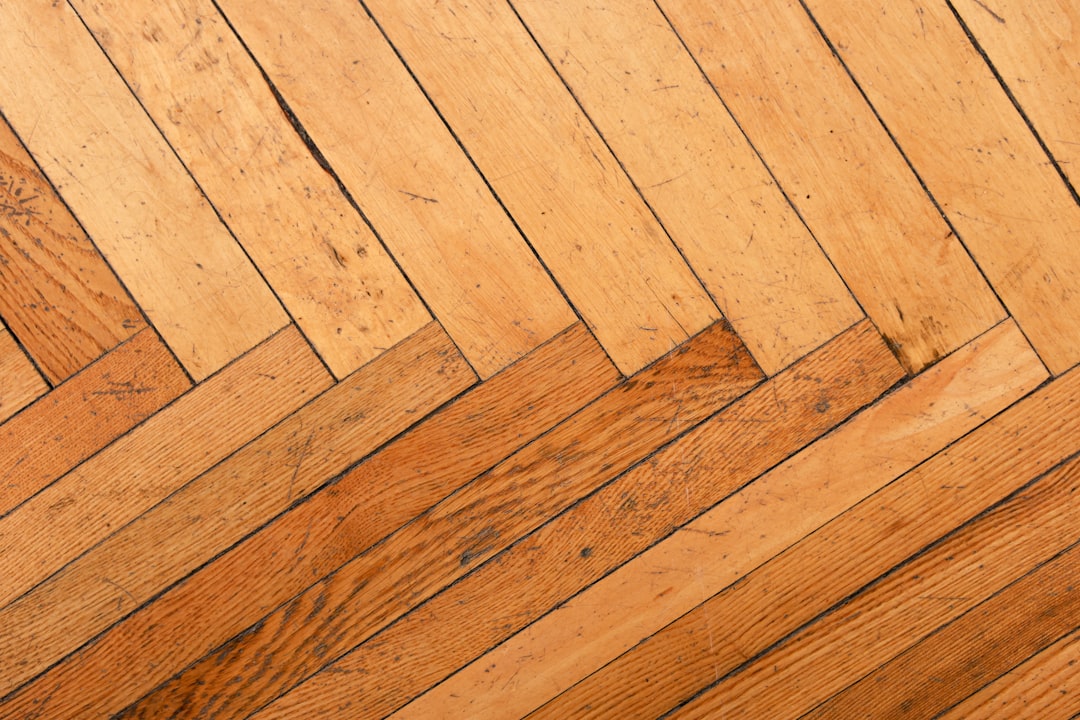
Parquet is one of the most satisfying floors to live with when it is in good condition: warm underfoot, rich in grain, and genuinely beautiful in Singapore's bright interiors. The trouble is that our humidity is relentless. Timber absorbs moisture from the air, expands in the wet season and contracts in the dry, and over months that movement loosens boards, dulls the finish and opens up gaps where grime collects.
For HDB and condo owners, parquet often came with the flat and has been there for decades. For landed homeowners and hospitality managers, it is a deliberate design choice, one that repays careful maintenance and punishes neglect quickly.
Why this matters: In Singapore's tropical climate, parquet floors face moisture, heat and heavy foot traffic year-round, and the wrong cleaning method can cause irreversible swelling, warping or finish damage that polishing alone cannot fix.
Highlights
- Singapore's humidity causes parquet to absorb moisture, expand and dull faster than in temperate climates.
- The single biggest mistake is too much water: mop damp, never wet, and dry the surface immediately.
- Regular buffing preserves the protective finish; full sanding and re-coating restores floors that have dulled, scratched or greyed with age.
- Big Red uses professional-grade parquet polishing equipment and eco-friendly, timber-safe solutions, in-house, never sub-contracted.
- Same-day and 24/7 service available, backed by our 30-Day Delight money-back re-clean guarantee.
The daily and weekly habits that keep parquet healthy
Sweep and vacuum before you mop
Grit is the enemy of a parquet finish. Fine particles of sand and soil act like sandpaper underfoot, and in a Singapore home near a building site or a park, they accumulate fast. Sweep or vacuum the floor daily, a soft-bristle attachment, not a beater bar, before any mopping. This alone extends the life of the finish significantly.
Mopping: damp, never wet
This is where most parquet floors are damaged. HDB's own home-care guide is clear: avoid exposing parquet to excessive dampness, dry the surface after mopping, and ventilate rooms to prevent moisture build-up. A microfibre mop wrung nearly dry is the right tool. Go over the floor in the direction of the grain, and follow up with a dry cloth or fan if the room is poorly ventilated.
Never use a steam mop on parquet. The heat and moisture penetrate the finish and can cause irreversible swelling and delamination.
What to avoid entirely
- Vinegar, ammonia or any acidic cleaner: these strip the finish and leave the timber exposed.
- All-purpose spray cleaners: most leave a residue that builds up and attracts more dirt.
- Wet mopping or bucket-and-mop: excess water seeps into the board joints and under the boards.
- Rubber-backed rugs left in place long-term: they trap moisture against the timber surface.
For a general sense of what the right timber-care routine looks like alongside your other soft furnishings and floors, our cleaning tips and articles cover the full picture.
Understanding parquet finishes and what they need
Not all parquet floors are the same, and the finish determines which care and restoration approach is correct.
|
Finish type |
How to identify |
Routine care |
Restoration method |
|---|---|---|---|
|
Lacquer / polyurethane |
Hard, glassy sheen; water beads on surface |
Damp mop; avoid harsh chemicals |
Sand and re-coat when scratched or dulled |
|
Wax finish |
Soft, matte sheen; water soaks in slowly |
Buff with wax periodically |
Re-wax; major damage needs sanding |
|
Oil finish |
Natural, low-sheen look; absorbs oil top-ups |
Apply maintenance oil annually |
Re-oil; deep damage needs sanding |
|
Bare / worn finish |
Dull, grey or patchy; water absorbs immediately |
Needs professional attention |
Sand, seal and re-coat |
Scratches: light versus deep
Light surface scratches in a lacquer finish can often be buffed out with a fine abrasive pad and a matching finish coat. Deep scratches that cut through to the timber are a different matter: they need sanding back to bare wood, staining if needed to match, and a fresh coat of sealant. Trying to fill a deep scratch with wax or a touch-up pen rarely lasts more than a few months in Singapore's humidity.
When the floor has greyed or gone patchy
Greying is oxidation of the timber surface, usually a sign that the finish has worn through and the wood has been absorbing moisture directly. Patchiness often comes from uneven wear, past water damage or a previous DIY coating applied over a dirty surface. Neither problem can be fixed by polishing alone. The floor needs to be sanded back to bare wood and refinished from scratch.
This is the point where professional equipment makes a real difference. A drum sander removes the old finish evenly across the whole board surface without creating dips or ridges that a random-orbit sander leaves. It is also dusty, loud and genuinely skilled work, and easy to do badly on your first attempt.
When to DIY and when to call a professional
What you can do yourself
Daily sweeping, damp mopping with the right product, placing felt pads under furniture legs, using a dehumidifier in the wet season, and keeping curtains drawn during the hottest part of the day: all of this is straightforward home care that costs almost nothing and makes a real difference over time.
For light surface dulling, a DIY buffing kit from a hardware store can refresh a lacquer floor between professional polishes. Follow the product directions carefully, and test in a hidden corner first.
When professional polishing is the right call
Call a professional when:
- The floor has deep scratches that reach the timber.
- There is visible greying, patchiness or staining that does not come off with cleaning.
- Boards have begun to lift, squeak or show gaps.
- The finish has worn unevenly and buffing does not restore the sheen.
- You are preparing a property for sale or a commercial space for a hotel or facility inspection.
Our parquet flooring maintenance service covers everything from a light buff-and-polish to a full sand-and-refinish. We use professional-grade equipment and timber-safe coatings, and our technicians are in-house, the same people who answer the phone are the ones who arrive at your door.
For commercial properties managing marble or mixed hard floors alongside parquet, our marble flooring maintenance service follows the same in-house, certified approach.
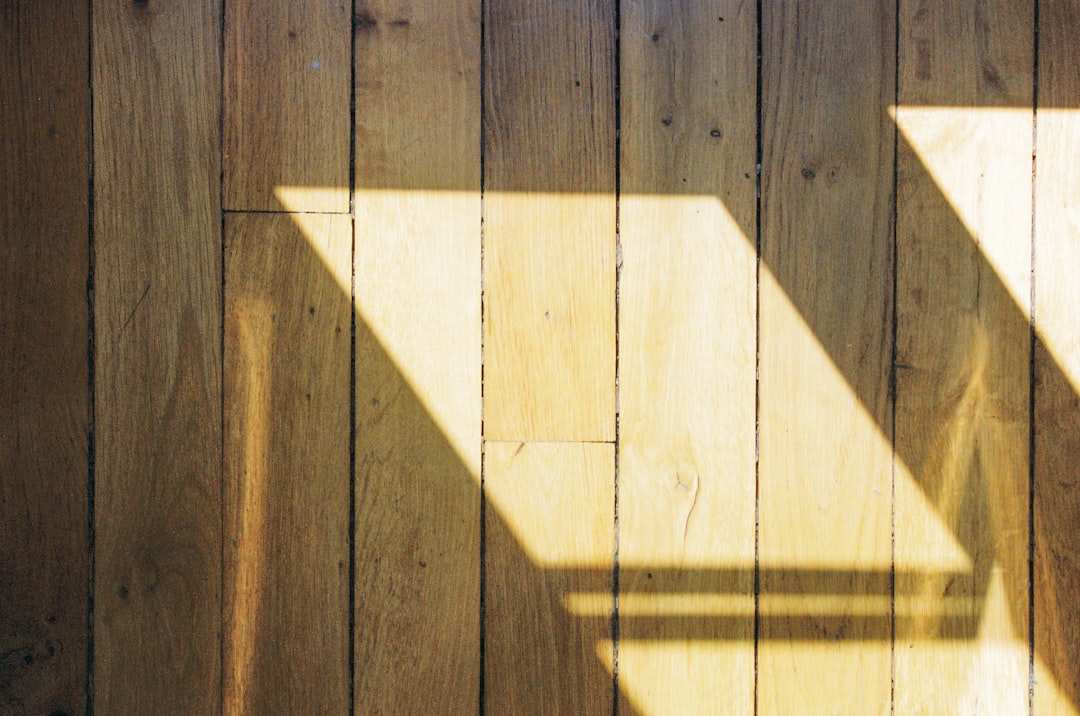
How often should parquet be professionally polished?
The honest answer depends on foot traffic, finish type and how diligently the floor is maintained between cleans.
|
Setting |
Recommended professional polish frequency |
|---|---|
|
Low-traffic residential (bedroom, study) |
Every 3–5 years |
|
Moderate-traffic residential (living room, dining) |
Every 2–3 years |
|
High-traffic residential (open-plan, family home with kids) |
Every 1–2 years |
|
Commercial (lobby, office, hotel corridor) |
Every 6–12 months |
These are starting points. A floor that is swept daily and mopped correctly will hold its finish longer. One that has been over-mopped with a wet mop, or cleaned with vinegar, may need attention sooner.
If you are also managing rugs or carpets on the same property, the article on how to extend the life of your carpet applies many of the same principles: regular maintenance is always cheaper than restoration.
For hotel, retail and office managers, the article on how facility managers can keep carpets clean addresses the commercial maintenance rhythm that works just as well for timber floors.
Parquet that is looked after properly can last a generation. The key is understanding what damages it: moisture above all else, then grit and the wrong cleaning products. Act before the damage becomes structural. A buff and polish is a modest investment; a full sand and refinish is a larger one; replacing boards or the whole floor is the outcome nobody wants.
Frequently asked questions
Can I use a steam mop on my parquet floor?
No. Steam mops force heat and moisture directly into the timber and the board joints, which causes swelling, delamination and warping, often irreversibly. Use a microfibre mop wrung nearly dry, mop in the direction of the grain, and dry the surface afterwards. This is the single most important rule for parquet care in Singapore's humid climate.
How do I know whether my parquet needs polishing or full sanding?
If the floor is dull but otherwise even and unscratched, a buff and polish is usually enough to restore the sheen. If there are deep scratches reaching the timber, grey or patchy areas, lifted boards, or a finish that is peeling or flaking, the floor needs sanding back to bare wood and refinishing. A professional assessment is the quickest way to know for certain.
Is parquet polishing safe for children and pets?
The coatings we use are water-based and low-VOC. Once the floor is dry, typically within a few hours, it is safe for children and pets. We recommend keeping the area ventilated during and after the work, and staying off the floor until it has fully cured, which we will advise on for the specific product used.
How long does a professional parquet polish take, and when can I walk on the floor?
A light buff and polish on a standard living room typically takes two to four hours. A full sand and refinish takes longer depending on the area and the number of coats required. The floor is usually dry to the touch within a few hours, but we recommend leaving it 24 hours before replacing furniture and resuming normal foot traffic to allow the finish to harden properly.
Does Big Red sub-contract parquet polishing work?
No. All our technicians are in-house. We have never sub-contracted our work in over 40 years of operation. The team that takes your booking is the team that arrives. This is the same approach we take across all our services, from professional carpet cleaning to rug restoration.
Ready to restore your parquet floor?
Whether your floor needs a light buff or a full sand-and-refinish, Big Red's in-house technicians are ready to help. Get a free quote, call us on 6241 9443, WhatsApp 9222 9222, or email info@bigred.com.sg.