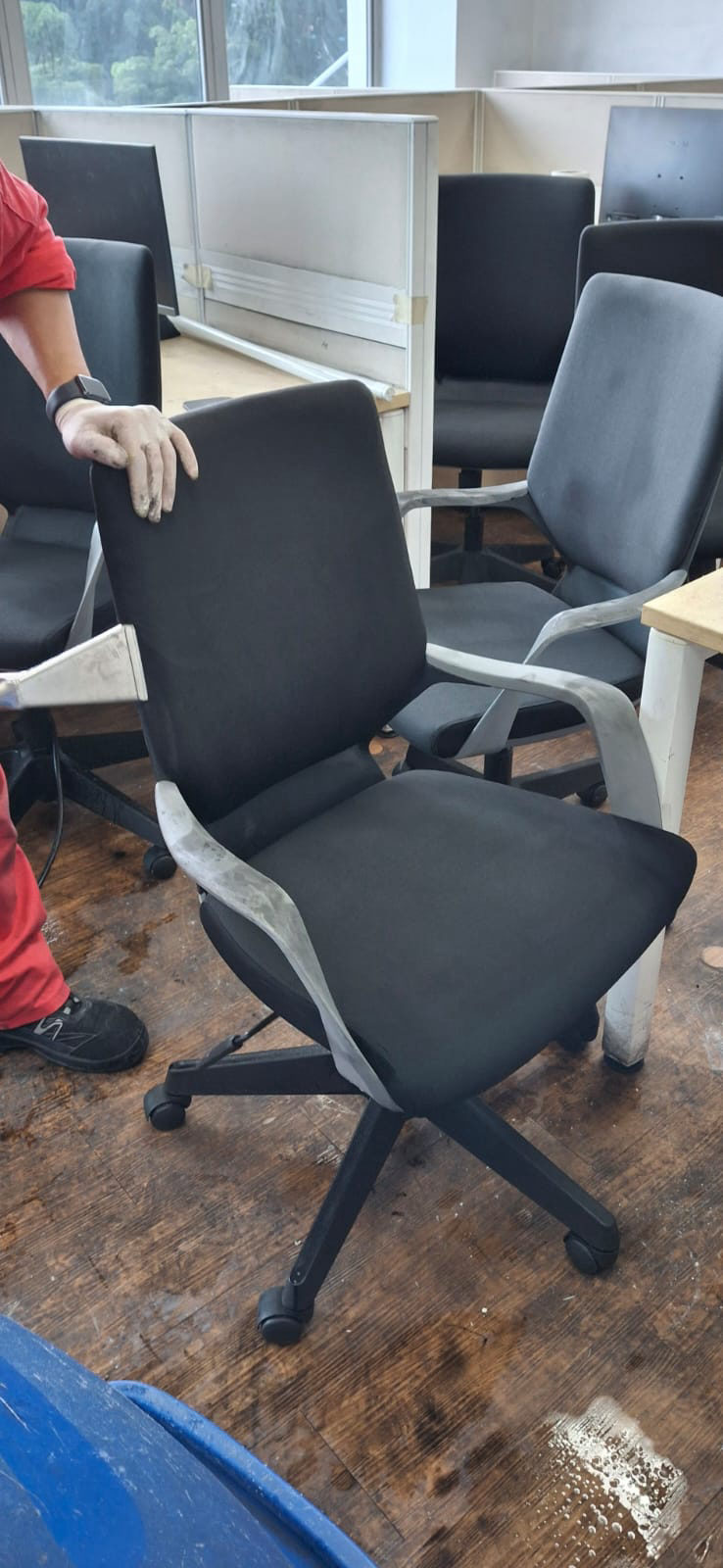
The audit letter arrives and the first thing your infection-control lead checks is the cleaning log. If the carpeted waiting area and fabric patient chairs are not on a documented schedule, you have a gap, and in a JCI or MOH-accredited facility, a gap is a finding.
Clinics in Singapore operate under layered infection-control requirements: MOH advisories, the Joint Commission International (JCI) standards for accredited hospitals and specialist centres, and MOHH guidelines for polyclinics. None of them prescribe exactly how often you must steam-clean the carpet in Reception, but all of them require you to show that soft furnishings are on a documented, risk-based cleaning plan.
The practical question is not whether to clean: it is how often, by what method, and with what paper trail.
Why this matters: A documented professional cleaning schedule for carpets and upholstery is the difference between a clean facility and a compliant one, and in a Singapore clinic those two things must be the same.
Highlights
- MOH infection-control advisories and JCI standards require soft furnishings to be on a documented, risk-based cleaning schedule.
- Hot-water extraction removes roughly 96% of dust mites, allergens and soil with no chemical residue, the right method for patient-facing spaces.
- Big Red's solutions are eco-friendly and leave no sticky residue that could harbour pathogens between cleans.
- In-house IICRC- and CRI-certified technicians, never sub-contracted, so your audit trail names a single accountable provider.
- Same-day and 24/7 service; dry to the touch in 4–6 hours so clinic operations are not disrupted.
- Backed by our 30-Day Delight money-back re-clean guarantee.
What the guidelines actually say about soft furnishings
MOH and infection-control advisories
MOH's National Infection Prevention and Control (NIPC) guidelines address environmental cleaning in acute-care and ambulatory settings. The core principle is straightforward: any surface or soft furnishing in a patient-contact zone must be cleanable, and if it is not cleanable to the required standard, it should not be there.
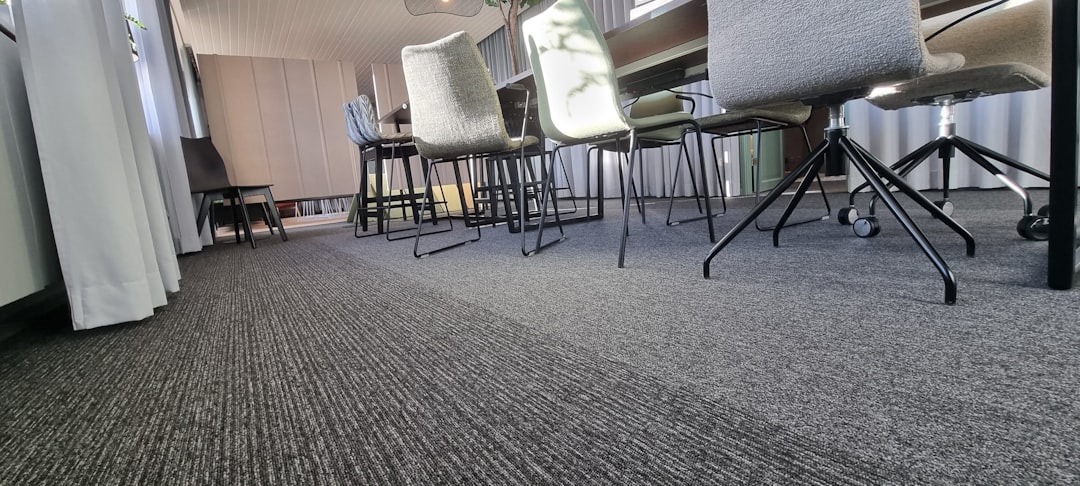
For carpets and upholstery that are present (a common reality in private GP clinics, specialist centres and dental practices) the guidelines expect a written cleaning protocol, a frequency tied to foot traffic and infection risk, and records showing it was done.
JCI and SKEA accreditation
JCI's Facility Management and Safety (FMS) and Prevention and Control of Infections (PCI) chapters both inspect the cleaning and maintenance of the physical environment. An auditor will ask to see your cleaning schedule, your service provider's qualifications, and evidence that the schedule is actually being followed. A provider with IICRC certification and a documented service record satisfies those asks far more cleanly than an ad-hoc arrangement.
The practical risk picture
Waiting-area chairs and carpets in a clinic are high-contact surfaces that accumulate:
- Skin cells, respiratory droplets and clothing fibres from patients and visitors
- Allergens including dust mites, pollen and pet dander brought in from outside
- Soil and organic matter tracked in on footwear
- Pathogens that can survive on fabric for hours to days depending on the organism
Vacuuming removes surface debris but does not reach the base of the pile or the foam of an upholstered chair. Hot-water extraction does.
Building a cleaning schedule that satisfies an auditor
Frequency by risk zone
Not every area in a clinic carries the same infection risk, and your schedule should reflect that. A useful starting framework:
|
Zone |
Examples |
Recommended deep-clean frequency |
|---|---|---|
|
High contact / patient-facing |
Waiting-room chairs, consultation-room fabric seating |
Every 1–3 months |
|
Moderate contact |
Reception soft seating, staff lounge |
Every 3–6 months |
|
Lower contact |
Director's office, boardroom |
Every 6–12 months |
|
Carpeted corridors (high foot traffic) |
Main corridors, lift lobbies |
Every 2–3 months |
These are starting points. Your infection-control lead should adjust them upward after a respiratory outbreak, a confirmed pathogen event, or any time a surface is visibly soiled.
What the service record must show
For audit purposes, your cleaning record for each session should capture:
- Date and time of service
- Areas treated and approximate area in square metres
- Method used (hot-water extraction, dry cleaning or other)
- Chemical products used and their safety data sheets
- Name and certification of the technician or company
- Signature or acknowledgement from the clinic's facilities contact
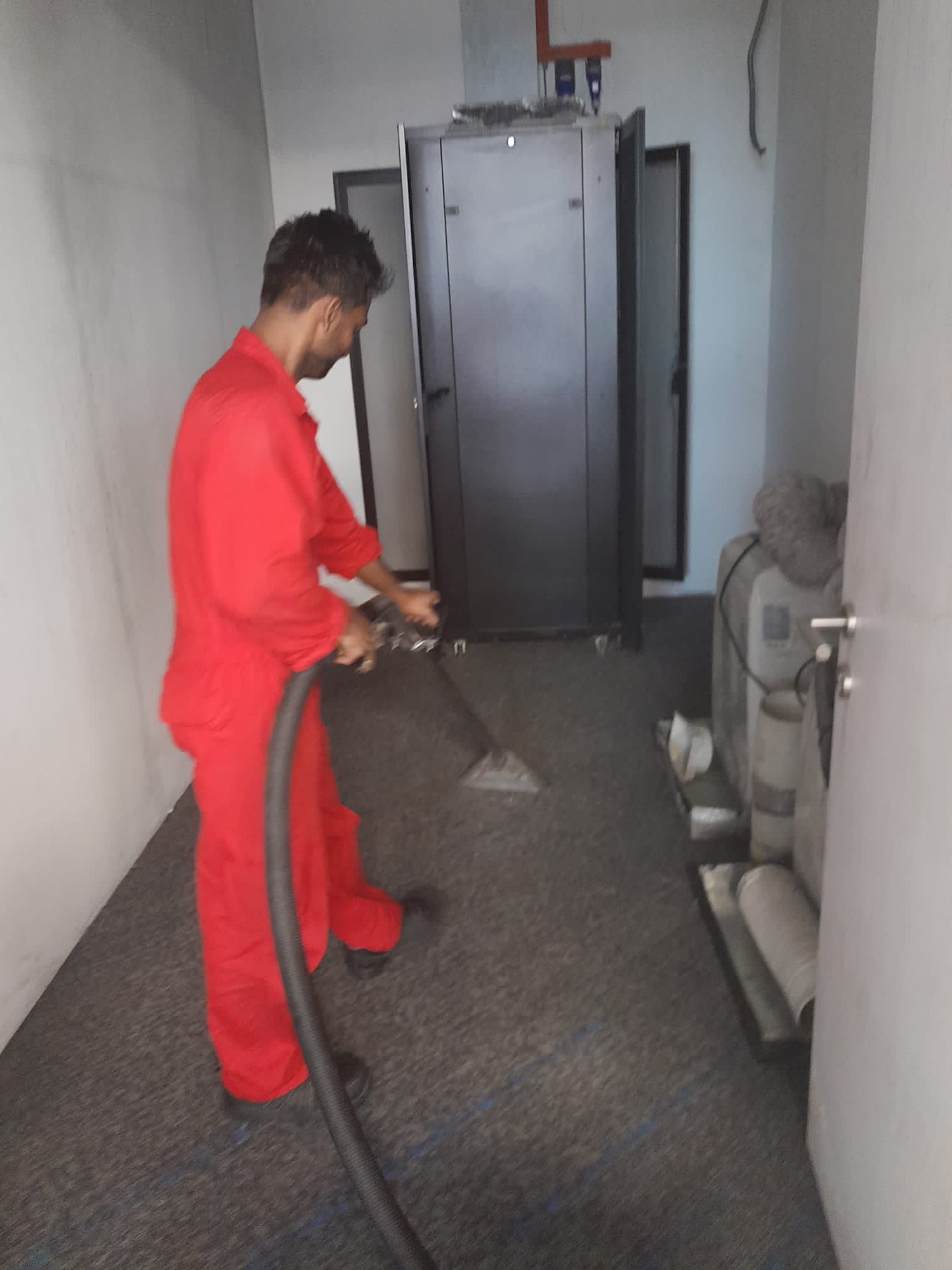
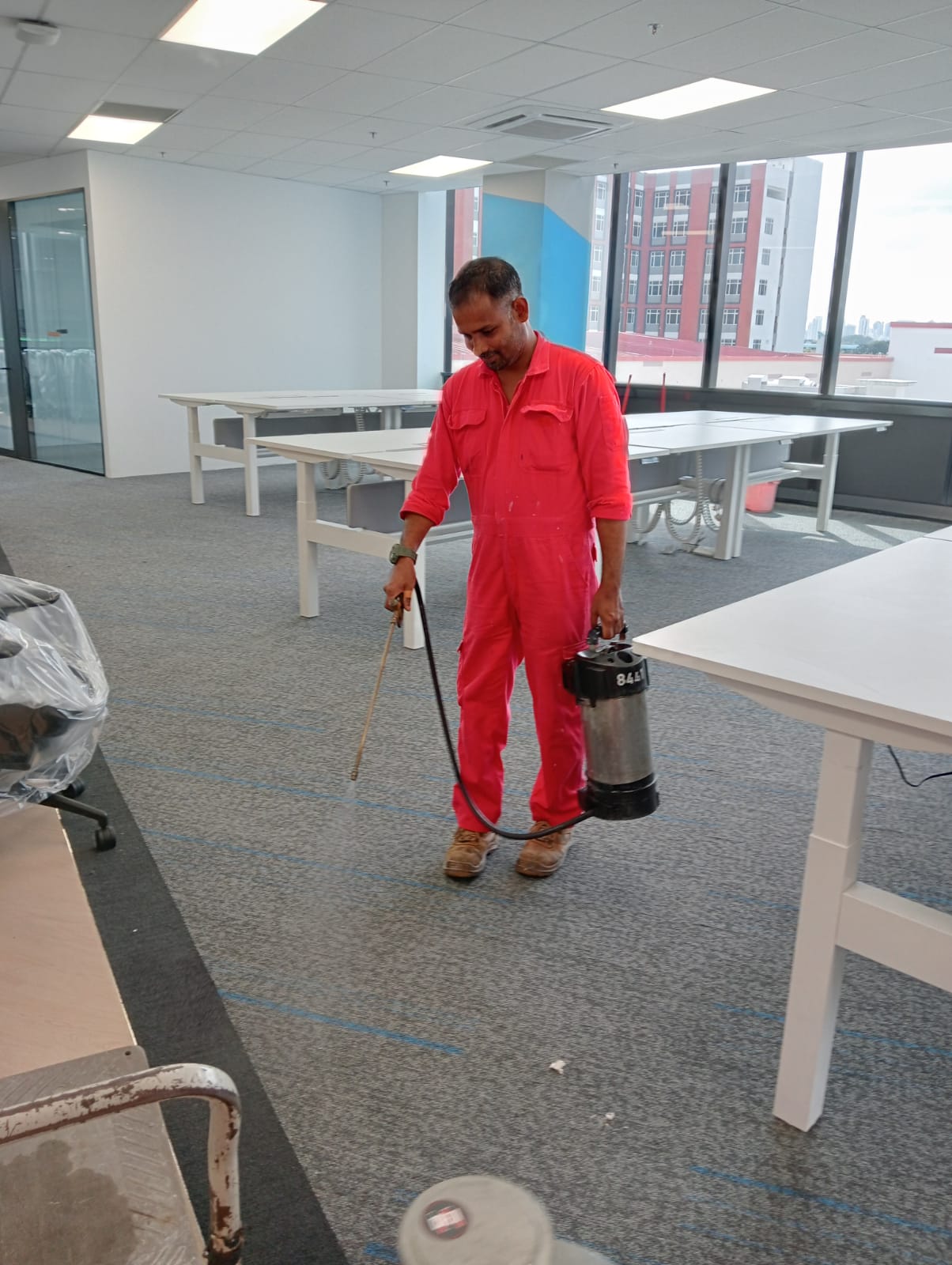
Big Red provides a written service report after every visit. That report goes straight into your compliance folder. Our carpet cleaning for clinics and healthcare facilities article goes into more detail on why residue-free extraction matters in patient environments specifically.
Choosing the right cleaning method
For clinic environments, the method matters as much as the frequency.
|
Method |
Residue left behind |
Reaches pile base |
Suitable for clinic use |
|---|---|---|---|
|
Hot-water extraction |
None |
Yes |
Yes, preferred |
|
Encapsulation / dry cleaning |
Minimal |
Partial |
Acceptable for interim cleans |
|
DIY wet shampoo / foam |
Often yes |
No |
Not recommended |
|
Bonnet cleaning |
Some |
No |
Not recommended for allergen removal |
Hot-water extraction is the right choice for patient-facing areas because it leaves no chemical residue that could irritate patients or create a growth medium between cleans. Our eco-friendly solutions are safe for people who are already unwell, which is exactly who fills a clinic's waiting room.
When DIY cleaning is not enough
A clinic team that vacuums daily and spot-treats spills immediately is doing the right thing. But there are limits to what in-house cleaning achieves.
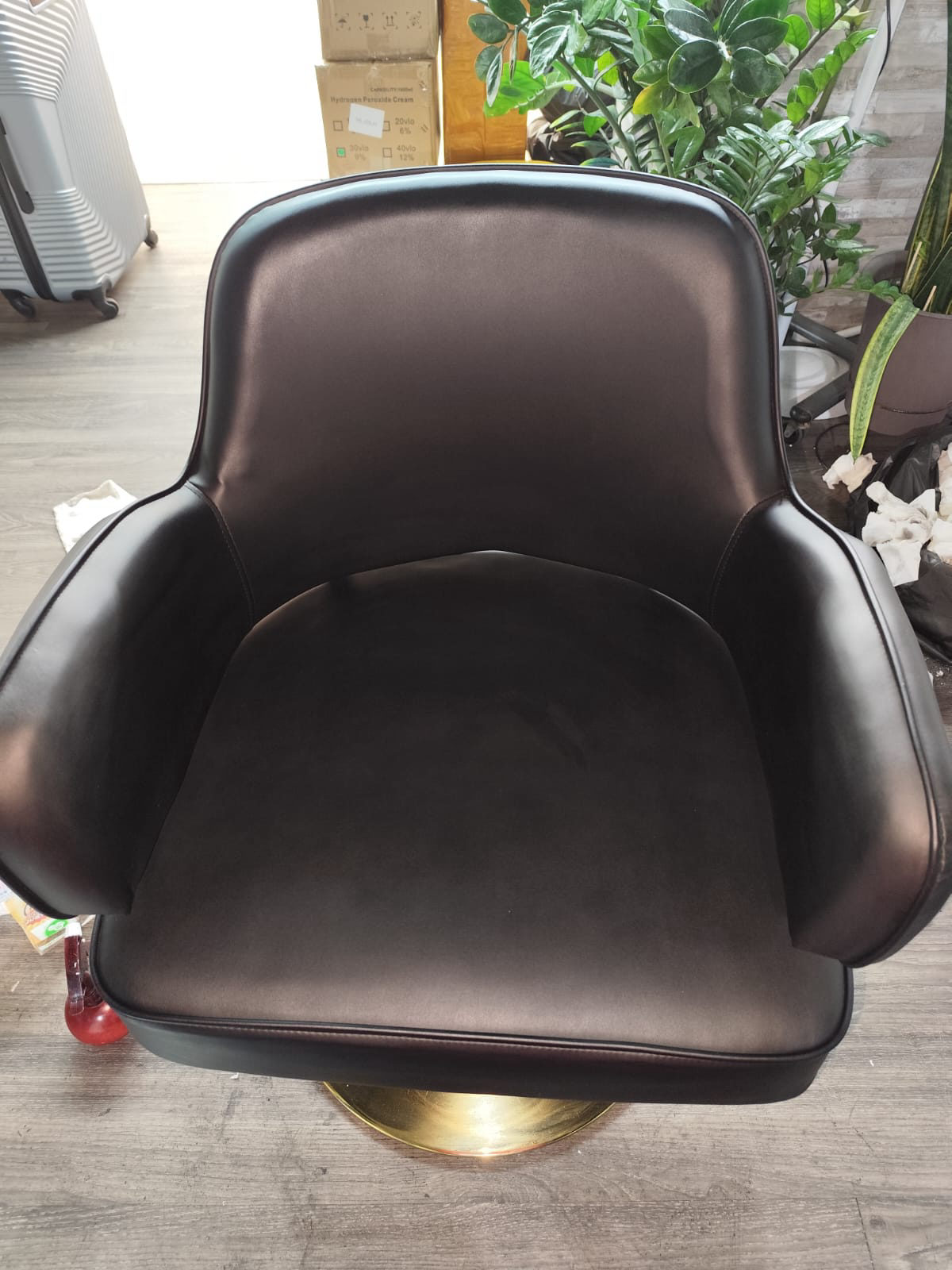
Vacuuming lifts surface soil and some loose allergens. It does not penetrate the carpet pile where dust mites and embedded allergens live, and it does not sanitise fabric seating. Over time, organic matter accumulates below the surface, creating conditions that no amount of daily vacuuming reverses.
For a polyclinic or hospital-adjacent facility, the reputational and compliance risk of an auditor noting inadequate soft-furnishing hygiene is significant. For a private GP or dental clinic, the patient experience argument is just as strong: fabric chairs that smell clean and look fresh are part of the clinical impression that keeps patients coming back.
Professional hot-water extraction, on a documented schedule with a certified provider, closes both gaps. Our professional carpet cleaning service and upholstery cleaning are built around exactly this need. Facilities managers coordinating multiple sites will also find our overview of carpet and rug cleaning schedules for FM contracts a useful planning reference.
Frequently asked questions
How often should a clinic deep-clean its waiting-room upholstery?
For most private GP and dental clinics, every one to three months for patient-facing seating and every two to three months for high-traffic carpeted areas. After a respiratory illness outbreak or any confirmed contamination event, treat it as a trigger clean regardless of schedule. Your infection-control lead should sign off the final frequency.
Does hot-water extraction leave the area wet for a long time?
Not with professional-grade equipment. Our extraction machines remove most of the moisture during the clean, and treated surfaces are dry to the touch within four to six hours under normal Singapore conditions. We schedule around your clinic's opening hours, including early-morning or after-hours slots, so patient flow is not affected.
What certification should I ask a cleaning company for?
Ask for IICRC (Institute of Inspection, Cleaning and Restoration Certification) and CRI (Carpet and Rug Institute) accreditation. Big Red was South East Asia's first IICRC-certified carpet cleaner. Also confirm that the company uses in-house technicians, not sub-contractors, so your audit trail names a single accountable provider with verifiable qualifications.
Will the cleaning chemicals be safe for immunocompromised patients in the waiting room?
Ask your provider for the safety data sheets for every product they use. Big Red uses eco-friendly, hospital-compatible solutions that leave no chemical residue after extraction. This matters for patients with respiratory conditions, skin sensitivities or compromised immunity. We can provide full product documentation for your infection-control file.
Can you provide a service record suitable for a JCI or MOH audit?
Yes. After every visit we issue a written service report covering the date, areas treated, method, products used and the technician's certification. Most clinic managers file this directly in their environmental services compliance folder. We can also set up a recurring service agreement so your schedule is documented in advance, not reconstructed after the fact.
Ready to get your clinic's cleaning schedule documented?
Contact Big Red Carpet Cleaners for a free quote tailored to your facility's risk zones and audit requirements.
- Call: 6241 9443
- WhatsApp: 9222 9222
- Email: info@bigred.com.sg
- Online: Get a free quote