
You pull back the furniture and notice it properly for the first time in months: the colours have gone flat, the pile is matted in patches, and there is a faint smell that vacuuming never quite shifts. Your first instinct is to book a clean. That instinct is often right, but not always.
With a Persian or Oriental rug, the gap between "needs a deep clean" and "needs restoration" is easy to miss, and choosing the wrong treatment can make the damage permanent. A rug that has been over-wetted by an inexperienced cleaner, or scrubbed with the wrong chemistry on vegetable-dyed wool, does not come back easily.
This is the question we get most from homeowners who contact us about a valued hand-knotted rug: is what I am seeing dirt, or is it damage? The answer changes everything about how we treat the piece.
Why this matters: mistaking pile damage for surface dirt, and cleaning instead of restoring, can lock in problems that a professional evaluation would have caught early.
Highlights
- Flat, matted or discoloured pile on a Persian or Oriental rug may be damage, not just dirt.
- The right treatment depends on the fibre type, dye stability and knot structure, not a one-size approach.
- Hot-water extraction, adjusted for hand-knotted wool, removes roughly 96% of embedded soil and dust mites with no chemical residue.
- Big Red's in-house IICRC- and CRI-certified technicians assess every rug before treating it, and we never sub-contract.
- Rug repair and restoration handles fringe loss, pile wear, moth damage and colour bleeding that cleaning alone cannot reverse.
What a professional looks at before touching your rug
The first thing any experienced rug cleaner does is not clean. It is look. Closely.
Fibre type and knot structure
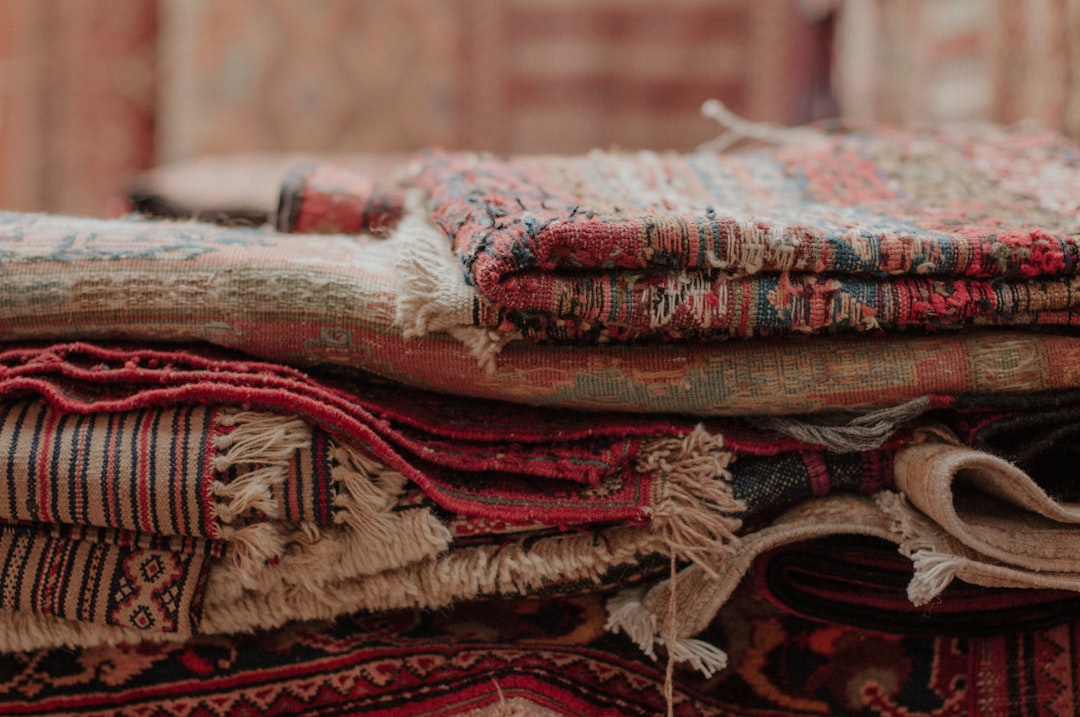
Hand-knotted Persian and Oriental rugs are almost always wool, sometimes with silk highlights. Machine-made versions are typically polypropylene or nylon. These materials behave very differently under water and heat, and the knot structure determines how much agitation the pile can tolerate without distorting.
Wool is absorbent, prone to shrinkage if over-wetted, and sensitive to high-alkaline cleaning agents. Silk is even more delicate: the wrong pH strips the lustre permanently. Polypropylene tolerates more aggressive cleaning but is harder to re-fluff once pile has been crushed. A technician who treats all three the same way is not the best rug cleaner for a valued piece.
Dye stability
Vegetable-dyed rugs, common in older Persian pieces, can bleed if soaked in water at the wrong temperature or left wet too long. Synthetic dyes are more stable but still vary. We always do a dye-bleed test on a discreet corner before any wet process begins. It takes two minutes and can prevent a colour disaster.
Pile condition: the difference between dirt and damage
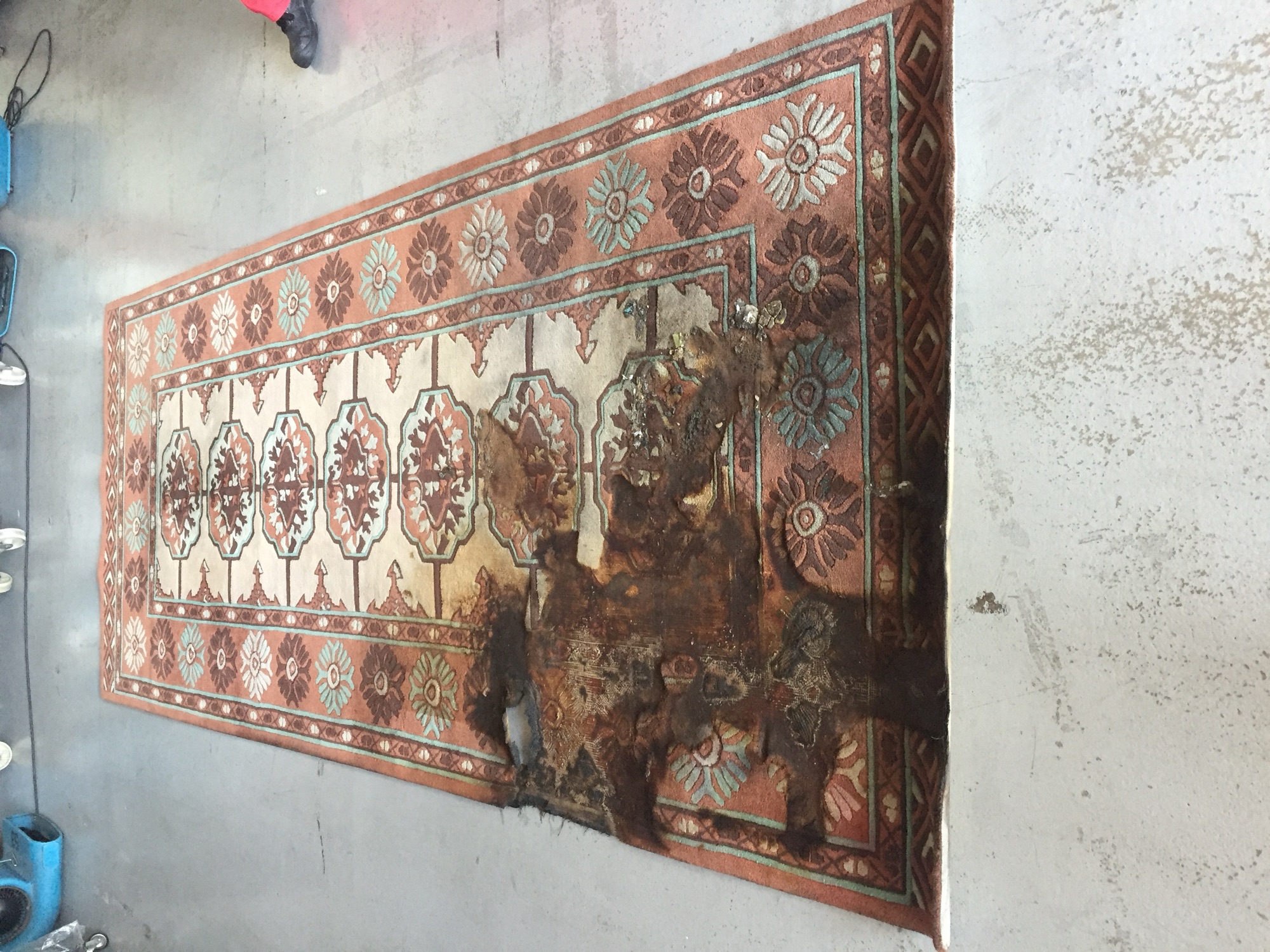
This is where most homeowners get caught. Embedded soil makes pile look dull and grey. But pile that has been physically damaged, whether by heavy furniture, a vacuum with a beater bar set too high, or moth larvae eating the foundation fibres, looks similar to the untrained eye and needs a very different response.
Signs that point toward damage rather than dirt:
- Bald or very thin patches where you can see the warp threads underneath
- Pile that lies flat in one direction and does not spring back when you brush it the other way
- Brittle, breaking fibres rather than fibres that are simply matted
- Visible moth casings or frass (the fine dust left by larvae) along the base of the pile
- Fringe that is fraying, shortening or disintegrating rather than simply dirty
If any of these are present, cleaning first can actually make evaluation harder, because water relaxes the foundation and may obscure where repair is needed.
When hot-water extraction is the right answer
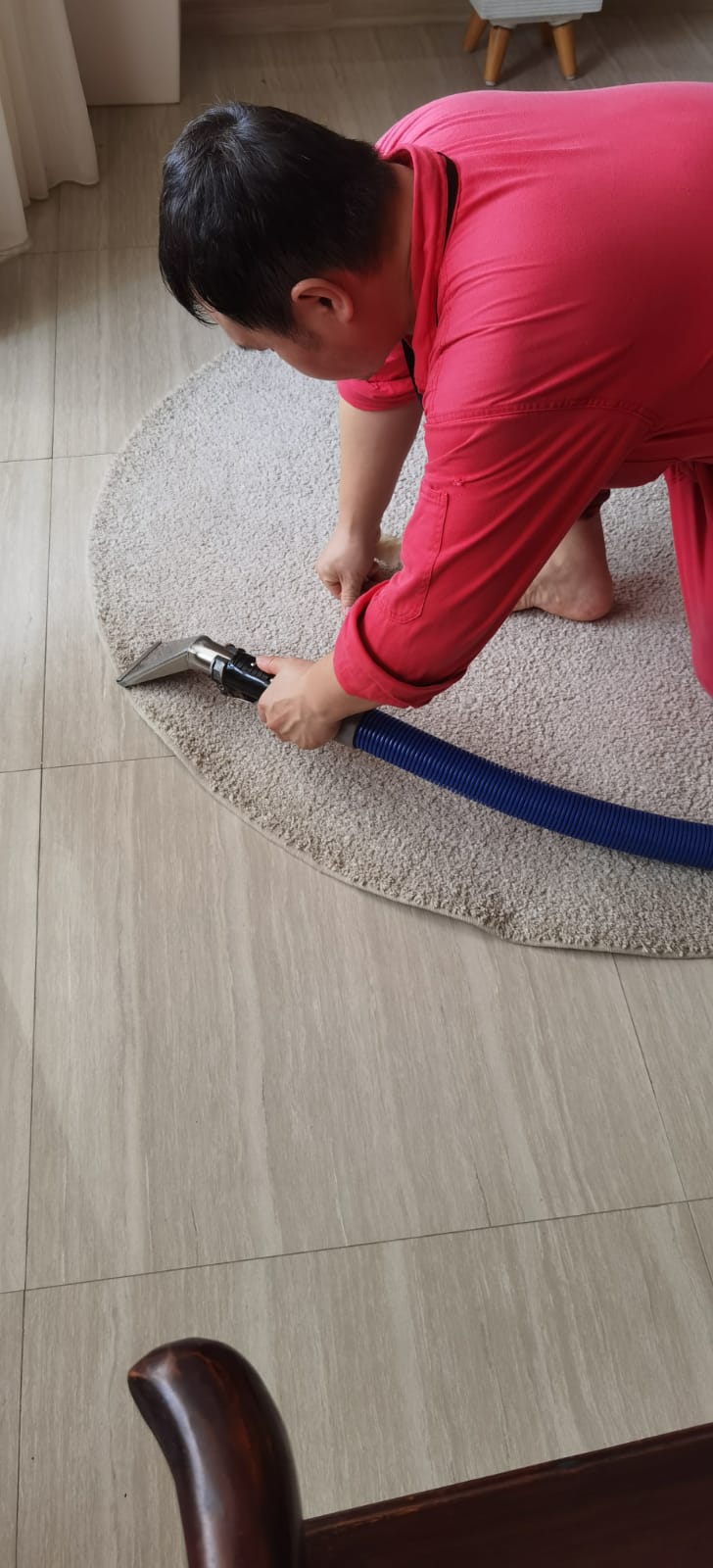
For a rug that is genuinely dirty but structurally sound, hot-water extraction remains the most effective deep-cleaning method available. Hot water and low-residue solution are injected into the pile under controlled pressure, then extracted along with the loosened soil, dust mites, allergens and odour. Done correctly on a wool rug, it removes roughly 96% of embedded contaminants and leaves no sticky residue that would attract re-soiling.
The adjustment for hand-knotted rugs is in the detail: lower water temperature than for synthetic broadloom, reduced pressure to protect the knots, and careful control of dwell time to prevent the foundation from absorbing too much moisture. Our rug cleaning service uses this calibrated approach on every hand-knotted piece we handle.
Results people regularly see after a proper hot-water extraction on a wool rug:
- Colour that brightens noticeably as compacted soil is lifted from the dye
- Pile that regains some of its natural spring as fibres are freed from compaction
- A clean, neutral smell rather than the musty odour of accumulated organic matter
- Fringes that come back to a consistent, uniform colour
Drying matters here too. A hand-knotted rug must be dried face-down on a clean surface with airflow underneath, not laid flat on a floor while still damp. We use controlled drying conditions to bring most rugs to touch-dry within 4–6 hours.
What cleaning cannot fix
Be honest with yourself about this. A clean, however well executed, cannot:
- Re-knot pile that has been physically worn or eaten away
- Restore colour lost to sunlight fade or bleach contact
- Repair fringe that has broken off at the foundation
- Reverse pile distortion from years of heavy furniture compressing the knots
- Remove a chemical burn or a permanent dye transfer from another textile
These require rug repair and restoration, which is a different discipline. Restoration involves re-knotting worn sections, re-dyeing faded areas (when the dye lot can be matched), re-finishing the fringe, and in some cases re-blocking a rug that has warped. It is slower, more skilled work, and it costs more because it has to.
How to choose the best rug cleaner for a valuable piece
If the rug has sentimental or significant monetary value, the choice of who cleans it matters as much as the method. A few things worth checking before you hand it over:
Certification and training
The IICRC (Institute of Inspection, Cleaning and Restoration Certification) is the international standard for cleaning and restoration professionals. Big Red was South East Asia's first IICRC-certified carpet and rug cleaning company, and our technicians maintain that certification. The CRI (Carpet and Rug Institute) seal adds a second layer of methodological credibility. These are not marketing badges; they represent specific training in fibre types, chemistry and restoration technique.
In-house or sub-contracted?
Some cleaning companies take your rug, pass it to a third party, and return it. You have no visibility over who handled it or what process they used. At Big Red, every job is handled by our own trained team, no exceptions. For a valuable hand-knotted piece, that chain of custody matters.
Do they inspect before they quote?
The best rug cleaner for a Persian or Oriental piece will not give you a firm price over the phone without seeing the rug. The condition of the pile, the fibre type and the presence of any damage all affect what treatment is appropriate and what it costs. A flat-rate quote without an inspection is a red flag. Our team assesses every piece before recommending a treatment plan.
Their track record with similar pieces
Ask whether they have cleaned hand-knotted wool rugs, silk rugs or antique pieces before, and how they handle dye testing and moisture control. Experience with hotel and commercial broadloom does not automatically translate to competence with a nineteenth-century Kashan. Big Red's 40 years of work includes both, and our client list spans private homes, Changi Airport and Shangri-La Hotel.
When to call in a professional versus attempting DIY
For a small, machine-made rug in a low-traffic area, a careful home clean with a wet-dry vacuum and a mild, pH-neutral solution is reasonable for fresh surface dirt. Take it outside, work gently with the pile direction, and dry it thoroughly before bringing it back in.
For anything hand-knotted, antique, silk-highlighted or showing any of the damage signs listed above, DIY is a real risk. The margin for error is small and the cost of getting it wrong is high. Over-wetting alone can cause irreversible browning as natural tannins in wool oxidise as the rug dries. Browning looks like a stain but is actually a chemical change in the fibre, not something you can wipe off.
If you are uncertain, the practical step is to send us a photograph. We can usually tell from a good image whether the issue is soil, pile damage or something structural, and we will tell you honestly if restoration is the right path rather than cleaning.
Related: for rugs in high-traffic commercial spaces, the calculus is slightly different, covered in more detail in our guide to area rug cleaning for commercial spaces.
Frequently asked questions
How do I know if my Persian rug needs cleaning or restoration?
Look at the pile closely in good light. If the colour looks dull but the pile fibres are intact and spring back when brushed, it is most likely a cleaning problem. If you can see the warp threads through the pile, fibres are brittle or breaking, or there are bald patches, restoration is likely needed before or instead of cleaning. A professional inspection will confirm which.
Will hot-water extraction shrink my hand-knotted wool rug?
Not if done correctly. The risk of shrinkage comes from excessive moisture and prolonged wetting of the foundation. We use lower water pressure and temperature on hand-knotted wool than on synthetic broadloom, and we control drying carefully. Rugs treated this way typically dry to the touch within 4–6 hours without dimensional distortion.
Can colour lost to sun fading be restored after cleaning?
Cleaning will not restore faded colour; that is a dye loss, not a soil problem. In some cases, selective re-dyeing by a restoration specialist can recover a close match, but the result depends on how much the original dye lot can be replicated. We assess sun-fade cases individually and give an honest view on what is achievable before any work begins.
How often should a Persian or Oriental rug be professionally cleaned?
For a rug in normal residential use, a professional deep clean every one to two years is enough to keep the pile free of the abrasive grit that cuts fibre over time. High-traffic areas or homes with pets and children may need annual cleaning. Regular vacuuming with a suction-only setting (no beater bar on hand-knotted pile) extends the interval between professional cleans significantly.
Is Big Red's rug cleaning safe for antique pieces with vegetable dyes?
Yes, with proper preparation. We run a dye-bleed test on every rug before any wet process, and we adjust water temperature and chemistry for vegetable-dyed wool. If a rug is too fragile or unstable for wet cleaning, we will say so and discuss the alternatives, including dry methods, rather than proceeding and risking colour loss.