
You bought a Persian rug or a plush wool piece, laid it on your parquet floor, and assumed the same care routine that works in a temperate climate would do the job here. It will not. Singapore's humidity sits at 70–90% for most of the year, your rug sits on a hard floor with no wall-to-wall carpet underneath to share the load, and every person who walks through the front door deposits grit, moisture and tropical dust directly into the pile.
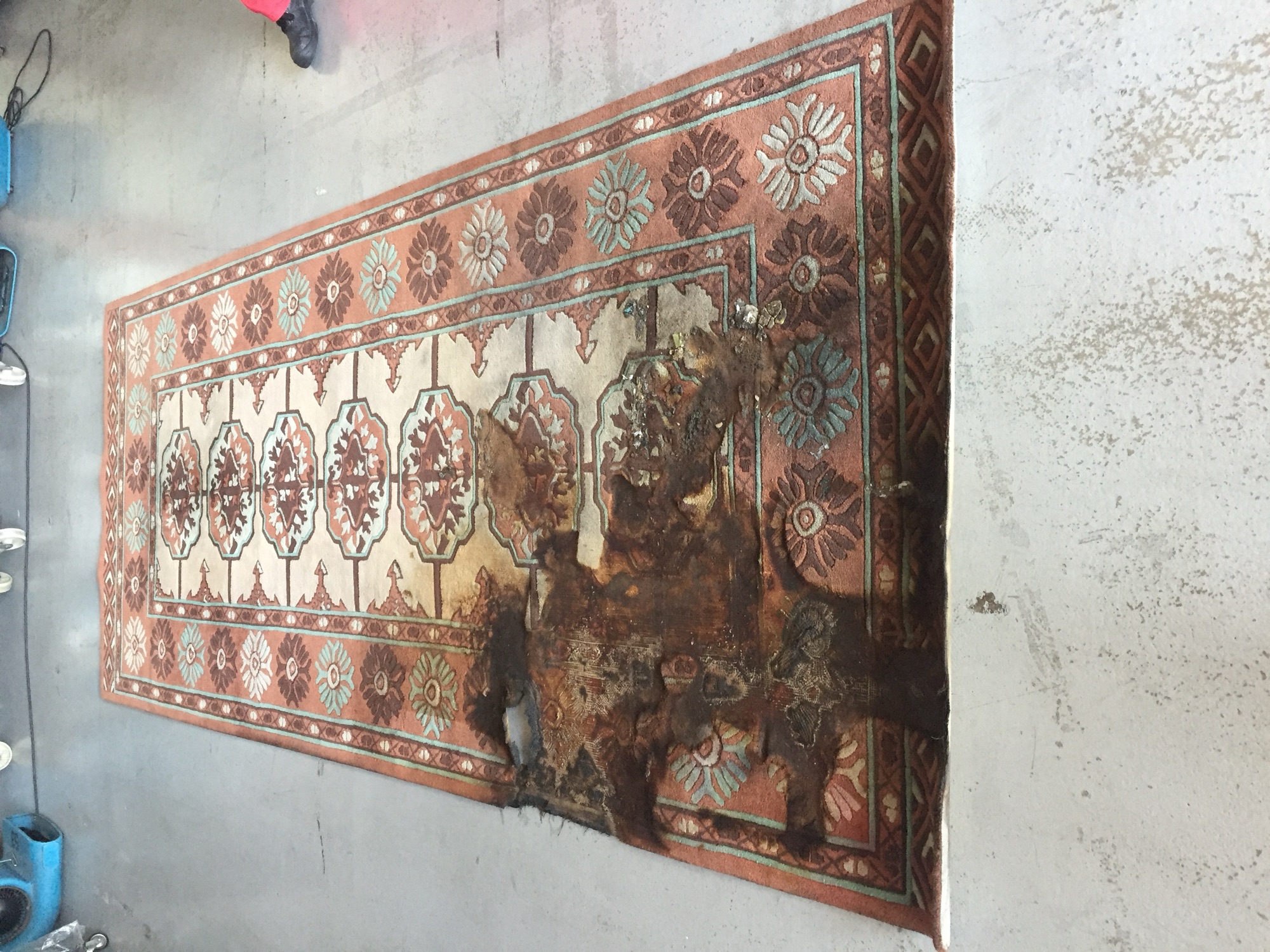
That combination ages a rug faster than almost any other living condition. It also makes the consequences of getting cleaning wrong, over-wetting, using the wrong method for the fibre, or leaving a damp rug rolled in a cupboard, genuinely serious: mould, browning, shrinkage, and colour bleed that cannot be reversed.
Understanding what Singapore does to a rug is the first step to keeping one in good condition.
Why this matters: a rug that is not cleaned or stored correctly in Singapore's climate will not just look dull, it can harbour mould, dust mites and embedded grit that silently degrades the fibre from the backing up.
Highlights
- Singapore's humidity (70–90% year-round) makes rugs far more vulnerable to mould, dust mites and fibre damage than generic care guides assume.
- Hard-floor HDB and condo homes mean your rug absorbs 100% of foot-traffic grit, with no wall-to-wall pile to share the load.
- Different fibres, wool, silk, jute, polypropylene, need different cleaning methods; one wrong step can cause permanent shrinkage or colour bleed.
- Big Red uses hot-water extraction that removes roughly 96% of dust mites, soil and odour with no chemical residue, and our solutions are eco-friendly, pet- and child-safe.
- In-house IICRC- and CRI-certified technicians, never sub-contracted, with same-day and 24/7 service.
What Singapore's climate actually does to a rug
Humidity accelerates everything
The fibre of a wool or silk rug is hygroscopic: it absorbs moisture from the air. In a dry climate that matters little, but in Singapore, a rug can hold a surprising amount of ambient moisture without ever feeling damp to the touch. That hidden dampness is ideal for dust mites, they thrive above 50% relative humidity, and for mould spores, which are always present in tropical air and need only a slightly damp, organic surface to colonise.
A rug laid on a hard floor in a non-air-conditioned room, or in a corridor that gets morning sun and afternoon shade, is cycling through humidity shifts every day. Over months, that stress breaks down natural fibres, causes backing glues to soften, and creates the musty smell that many homeowners attribute to the floor rather than the rug itself.
Bare floors concentrate the damage
Wall-to-wall carpet shares foot-traffic wear across the whole surface. A rug on parquet or marble does not: every step lands on the same pile, the same backing, the same foundation knots. Grit carried in from outside, construction dust is endemic in Singapore, works its way down to the base of the pile and acts like sandpaper on individual fibres with each footfall.
The result is that a rug in a Singapore HDB corridor or condo living room accumulates embedded soil far faster than the same rug in a carpeted room in a cooler climate. Vacuuming lifts the surface layer, but it cannot extract the grit that has migrated to the base. That requires a proper deep clean.
Fibre matters: wool, silk, jute and polypropylene are not the same
One of the most common mistakes we see is treating all rugs as interchangeable. The fibre determines the correct method, the safe water temperature, and whether professional cleaning is the right call or a risk.
|
Fibre |
Main risk in Singapore |
Safe DIY approach |
When to call a professional |
|---|---|---|---|
|
Wool |
Shrinkage, browning, colour bleed if over-wet |
Dry powder vacuum; blot spills immediately |
Any full clean; set stains; odour from humidity |
|
Silk |
Permanent water marks; fibre crushing |
Dry brush only; blot, never rub |
Always: silk cannot tolerate DIY wet cleaning |
|
Jute / sisal |
Rapid browning, mould at the jute core if wet |
Vacuum frequently; spot-clean dry only |
Any wet clean; musty smell suggests mould in the core |
|
Polypropylene |
Colour fading from harsh chemicals |
Mild soap and water; rinse thoroughly |
Embedded grit and odour after heavy use |
Wool and silk rugs, particularly Persian, Turkish and other hand-knotted Oriental pieces, are the ones most likely to suffer permanent damage from amateur cleaning. The dyes used in traditional rugs are often not colourfast under prolonged moisture exposure. Silk pile will crush and lose its lustre if scrubbed or wrung. These are not rugs for a bucket and a garden hose, however tempting that shortcut looks.
For polypropylene and other synthetics, the risks are lower, though embedded grit and odour still require more than a vacuum. Our post on how to maintain your carpets well at home covers the daily habits that reduce how often any floor covering needs a professional clean.
The jute problem in humid climates
Jute is natural, beautiful, and extremely unforgiving in Singapore's humidity. The core of a jute rug wicks moisture from the floor upward. If the floor tiles are cool and the room is warm, condensation can form at the rug's underside even in a well-ventilated flat. The result is browning at the foundation and, eventually, a mould problem that is visible only when you lift the rug. By that point, the damage is structural.
If you own a jute or sisal rug, lift it monthly and let the floor dry completely before replacing it. A quality rug pad or underlay creates an air gap that substantially reduces this risk, it is the single most effective preventive step for hard-floor homes.
When to clean a rug yourself and when to call us
What you can do safely at home
For day-to-day maintenance and fresh spills, there is a lot a homeowner can do without any risk to the rug:
- Vacuum weekly, with the beater bar off for wool and silk; the suction setting only.
- Blot spills immediately with a clean white cloth, never rub, which drives the stain deeper into the pile.
- Rotate the rug every few months so one end does not wear faster than the other, particularly in a corridor.
- Shake or beat a small rug outdoors if it has light, loose surface dust.
- Keep the room ventilated and air-conditioned where possible, to keep humidity below the mite-and-mould threshold.
For a coffee spill on a polypropylene rug, blotting and a mild soap solution will often do the job. Our step-by-step post on removing coffee stains from a carpet covers the method in detail.
When professional rug cleaning is the right call
Some situations go beyond what DIY can address safely:
- A musty or sour smell that persists after airing, which typically means mould or mite colonies deep in the pile or backing.
- A set stain older than a day or two, particularly on wool or silk.
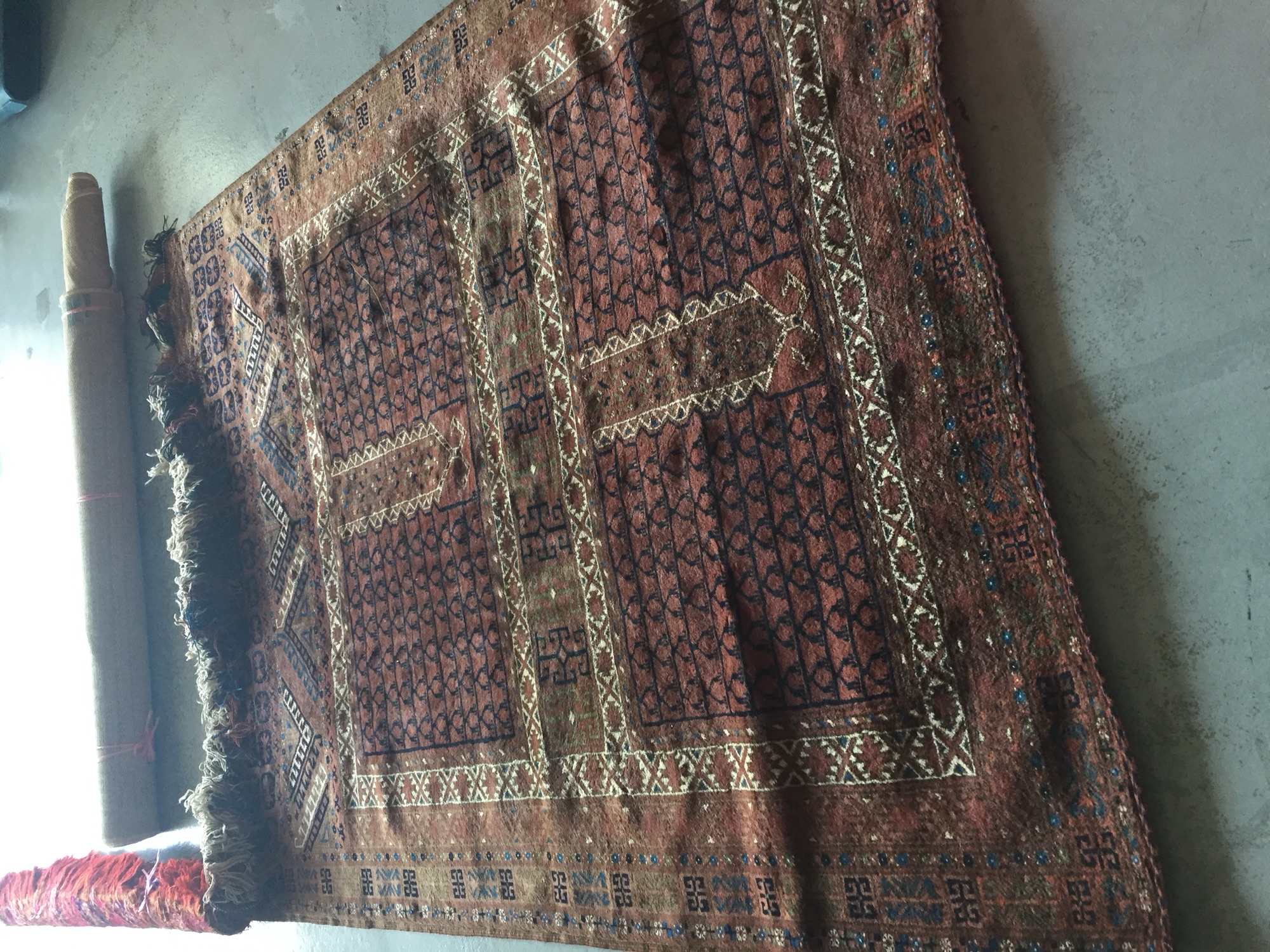
- A rug that has been stored damp or rolled, a situation that often produces mould invisibly.
- Any full clean of a wool, silk or hand-knotted Oriental or Persian piece.
- A rug that has not had a deep clean in more than 12 months and sees daily foot traffic.
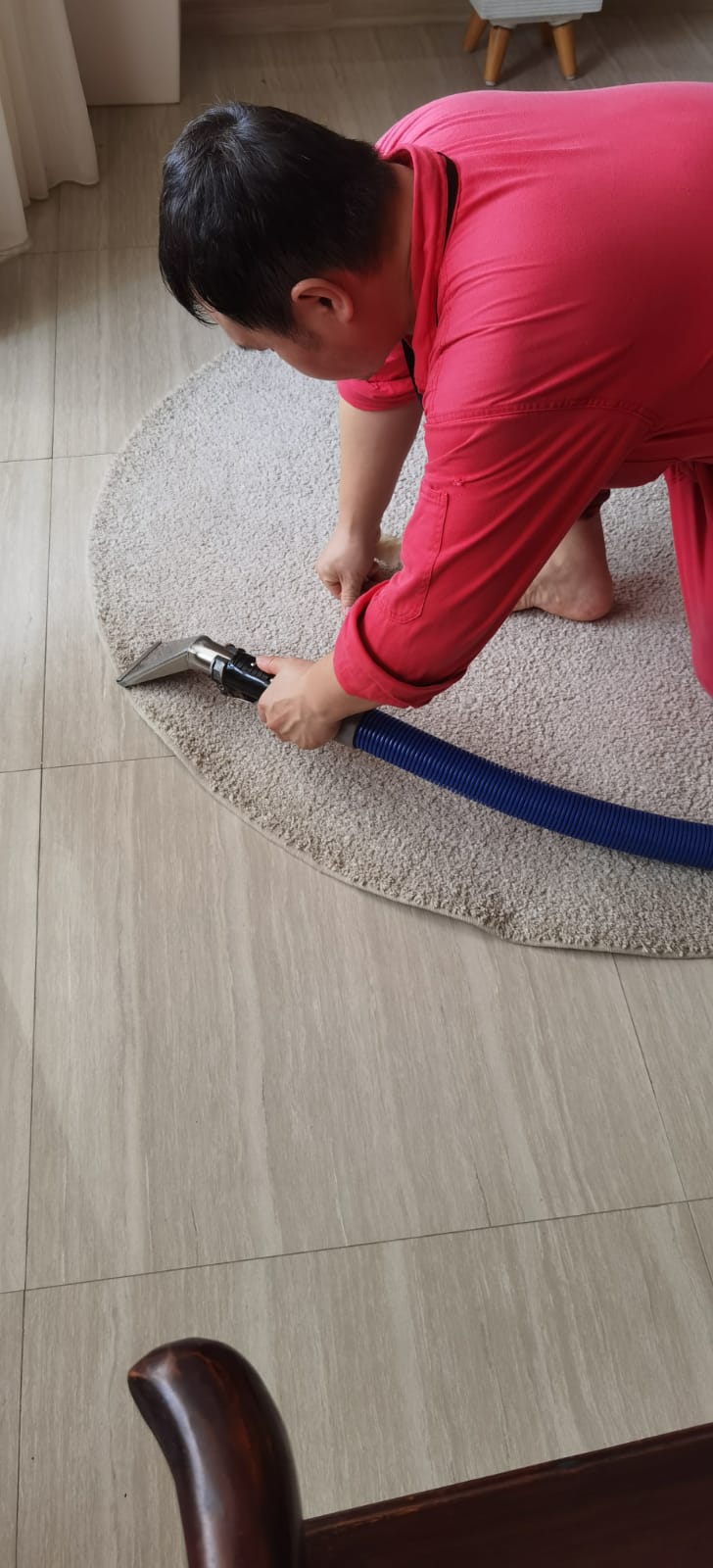
Over-wetting a rug at home, using too much water or a rental shampoo machine not calibrated for rugs, is one of the most common causes of the browning and mould we are asked to treat. A damp rug in a humid flat can take days to dry fully, and that window is long enough for mould to establish. Hot-water extraction, done correctly by a trained technician, removes soil and moisture efficiently, and a professional rig extracts far more water than any DIY tool can.
For valuable or antique pieces, our rug repair and restoration service also handles re-fringing, backing repair and re-weaving for rugs where the damage is structural rather than just surface soil.
If you are not sure whether a company is equipped to handle your rug correctly, the questions in our post on how to vet a sofa cleaning company in Singapore apply equally to rug cleaning, the credentials, the method and the sub-contracting question are the same tests.
How Big Red cleans rugs in Singapore
Our rug cleaning service uses hot-water extraction calibrated to the fibre. For wool and hand-knotted pieces, that means lower water temperature, a gentle pre-treatment to loosen embedded soil without stressing the dye, and controlled extraction that leaves the rug dry to the touch in four to six hours rather than overnight. For silk, we assess colourfastness before any wet process and will recommend dry cleaning where the risk of dye transfer is too high.
All of our technicians are trained in-house and IICRC- and CRI-certified. We do not sub-contract. That matters for rug cleaning specifically, because the person who picks up your Persian or Turkish piece is the same person who cleans it and returns it, there is no handoff to an unknown third party.
For homeowners curious about how our professional carpet cleaning approach differs from what a rental machine can do, the short answer is water temperature, extraction pressure, and the technician's knowledge of the fibre they are working with. Related: see the clients and spaces Big Red has looked after across Singapore.
Frequently asked questions
How often should I have my rug professionally cleaned in Singapore?
For a rug in a living room or bedroom with moderate foot traffic, once a year is a reasonable minimum. A corridor rug, one used in a home with children or pets, or any rug that smells musty after the monsoon months should be cleaned every six months. The humidity here means soil and mite load build up faster than in drier climates.
Will steam cleaning shrink my wool rug?
Not if it is done correctly. Shrinkage happens when wool is exposed to excessive heat or agitation, or when it is not rinsed and extracted properly and sits damp for too long. Hot-water extraction calibrated for wool uses a lower temperature and controlled extraction to avoid both risks. That is why fibre knowledge and IICRC certification matter: the method has to be matched to the material.
Can I clean a Persian or hand-knotted rug at home?
For routine vacuuming and immediate blotting of fresh spills, yes. For any full wet clean, no. The dyes in hand-knotted Persian and Oriental rugs are often not colourfast under sustained moisture, and the foundation fibres can shrink at a different rate from the pile. The combination can cause rippling, colour bleed and backing damage that is costly to repair and sometimes permanent.
Is the cleaning safe for babies and pets?
Yes. Big Red uses eco-friendly solutions that are pet- and child-safe. Hot-water extraction leaves no chemical residue in the fibre, which is especially important for a rug that a toddler or a pet spends time on directly.
What should I do with a rug that has been stored rolled and smells musty?
Unroll it outdoors if possible and air it for a few hours. Do not attempt to wet-clean it yourself: a musty smell from storage almost always means mould is present in the backing or pile, and adding moisture without professional extraction will make it worse. Book a professional clean as soon as practical, and mention the storage history when you call so the technician knows to check the backing before treatment.
Ready to have your rug properly cleaned? Call us on 6241 9443, WhatsApp 9222 9222, or email info@bigred.com.sg. You can also get a free quote online, we offer same-day and 24/7 service across Singapore.